

Danny and Michael Philppou’s Bring Her Back, released spring of 2025, is a horror film worthy of consumption. The Australian twin brothers didn’t handle their audience with kid gloves – didn’t spoon feed us, spoil us, lead us by the nose or play too on the nose. This respect allows for interpretation.
Bring Her Back is about circumscription; castration through the trauma of images and what Ellul would call the humiliation of the word. I don’t like being wound up in such a way as to admit something so awful was good. Timely. Relevant. Proper social commentary done tastefully. So much so, I’ve had my fill. I don’t want to watch it again. It’s too visceral. Crammed full of over-the-countertop gratuity, slow burning indigestion, brutal manipulation, sudden violence and explosive gaslighting. The film’s tagline family requires sacrifice is a misnomer. On point, quaint, but hard to swallow. This film is a critique of the alchemical nature of as above, so below. This particular interpretation will set it right side up again so you can see it as I do.
Don’t worry. It’s just a recording. The show is over. The jig is up. This is a safe space. Nothing can hurt you as long as you’re here with me. You’ll have to trust me. I will protect and support you. Nurture you. What I have to say here is all that matters. I spent a lot of time and effort mulling it over for you. These sharpened incisors found some use. Now, open wide, you’re in for a treat…
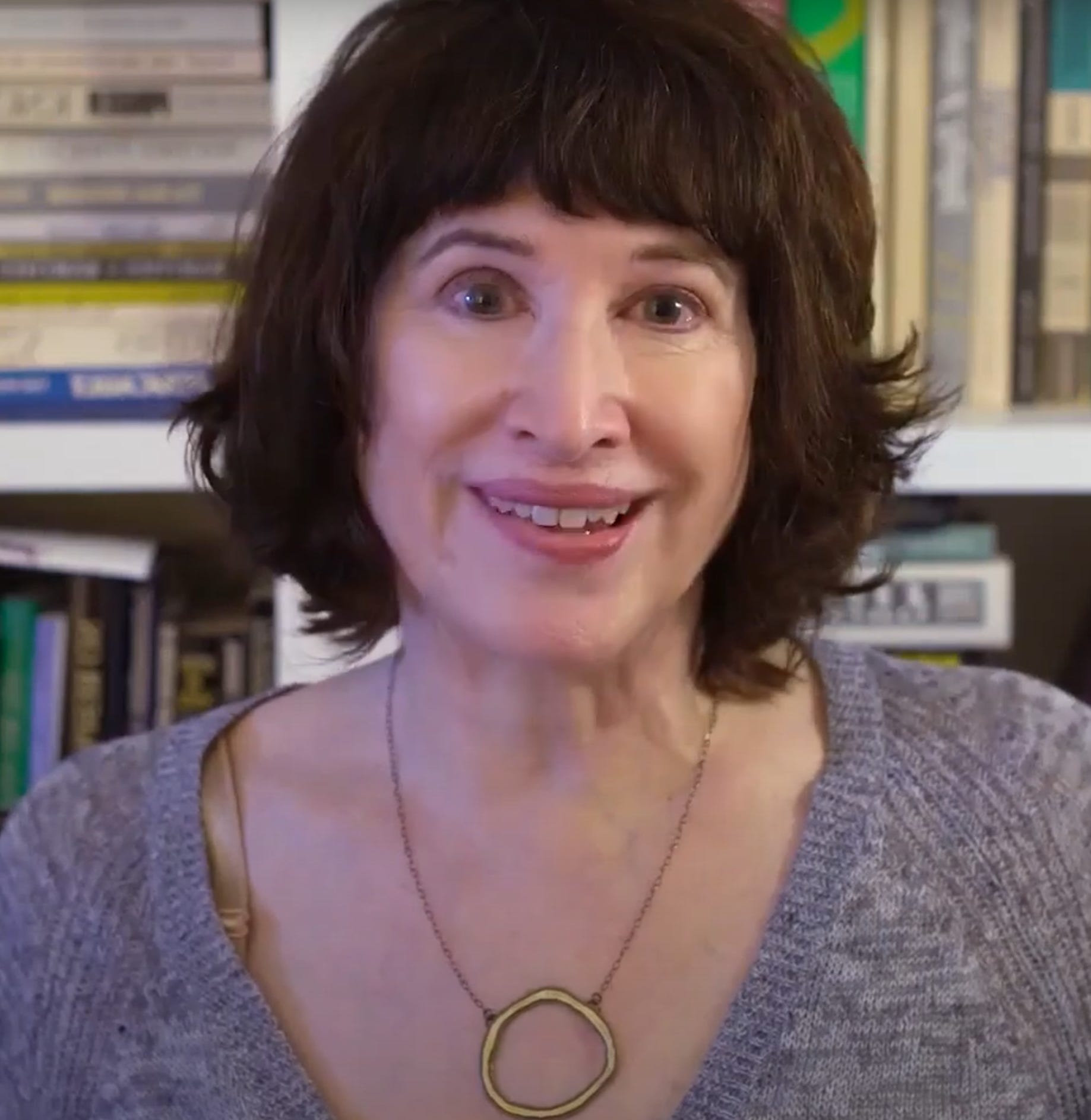
Laura, of indeterminate age, is central to the film; the star, who it’s all about, what everything is meant to revolve around. She is Jung’s Terrible Mother archetype incarnate. She doesn’t need the supernatural or myth to navigate modernity, just good ole fashioned manipulation. However, she’s obsessed with what she calls her daughter, Cathy; the sea canary frozen white in her shed meat locker. Laura believes this youth can be brought back to her. Laura refuses to let go. Nothing else will get in her way.
Whatever you might have been led to believe, she’s not in a cult. The demon she summoned is of no real threat. The demon is of the Ox – the Bull and its impotence. The demon is pathetic, picked up from watching reruns of her favorite cult classic snuff film. It resides in some malnourished boy; a reflection of Laura’s superficial spirituality. She knows that by feeding it, it will bring back what she wants.
It’s not clear if Cathy was her biological daughter, nor when she drowned. Nor why she drowned. Nor if waterlogged lungs was what actually killed her and not the blood escaping her noggin. We know when the death occurred the pool was shallow and collecting rain. We know Laura knows the depth of her death, she painted its countdown with a thick blue line. We know that’s as deep as she gets. Now’s not the time to reflect on such frivolities, though.
What is clear is that she’s not the kind of person who should be around the impressionable in the first place. Shouldn’t be guide to anyone. Not unlike how celibate, unfruitful or unfaithful religious bellwethers aren’t the best suited to lead youth groups. She’s an expert though. Professional. Detached. Attentive. Perhaps being the best in her field and winning awards for developing adolescent psychologies wasn’t an achievement worth framing, but a red flag.
To empathize with Laura is to invite a horde of untreated pathology and admit Stockholm Syndrome. What she wants is not what’s best for anyone. We aren’t shown Laura’s good times nor given reason for her hostility toward boys. Through Laura’s reasoning, males are made to feel they ask too much just to be allowed to live. Why? Well, let’s get to the bottom of this, together.
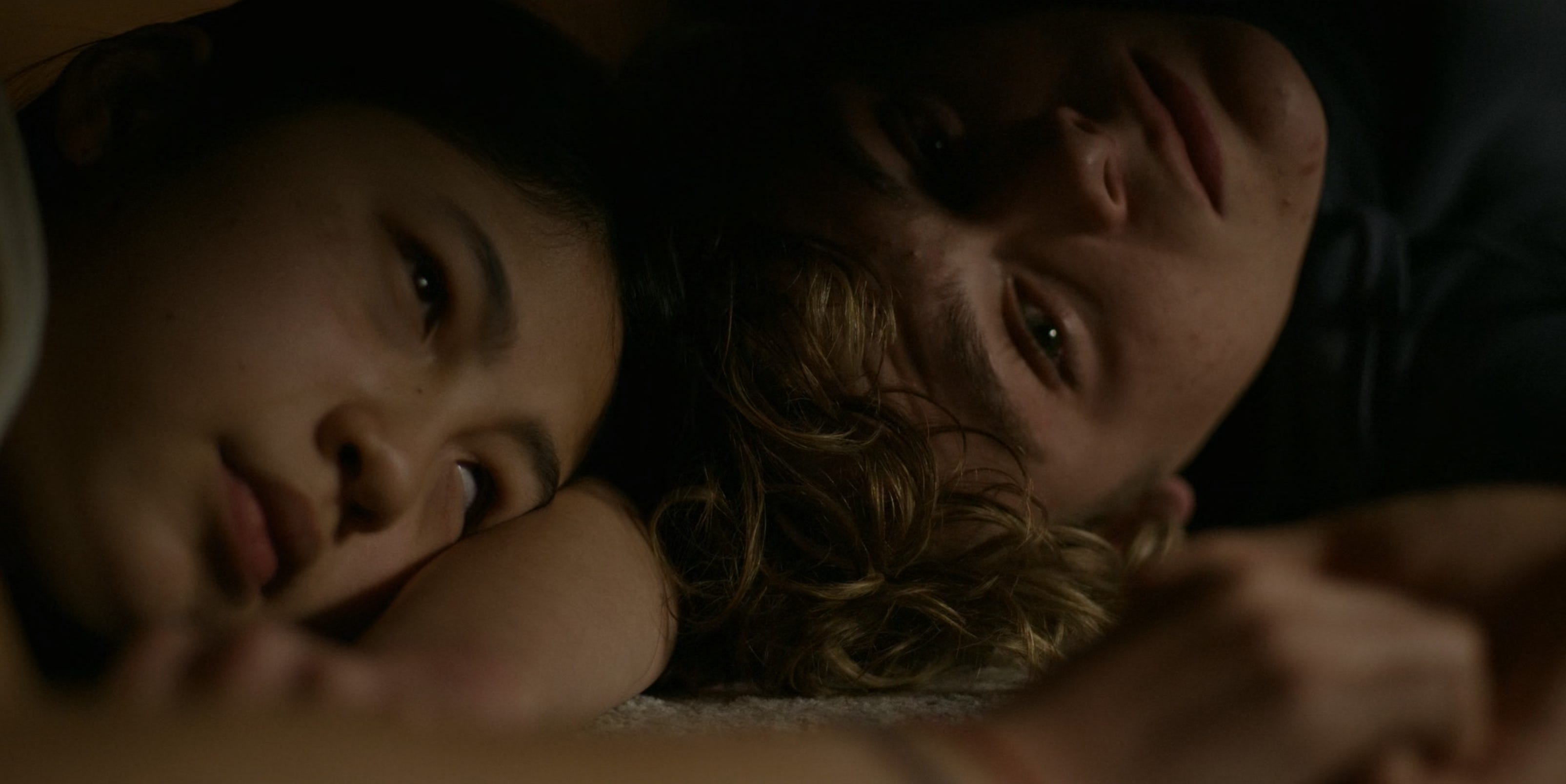
Laura’s transgressions against the opposite sex, particularly her adopted son Andy, include: betraying confidence, drowning him, trampling his privacy, drowning him, misreading his texts, drowning him, making him kiss his abusive father in public, drowning him, getting drunk with her foster children in celebration of their father’s death, drowning him, staining his crotch in her urine, drowning him, lacing his protein powder with who knows what, drowning him, framing a black eye onto his blind sister with cologne-drenched fist, drowning him, assaulting him to play cry bully, drowning him… But worst of all, Laura alienated the bond between Andy and Piper, splitting them up and turning her against him – widening and enforcing man/woman, brother/sister, mother/son resentments.
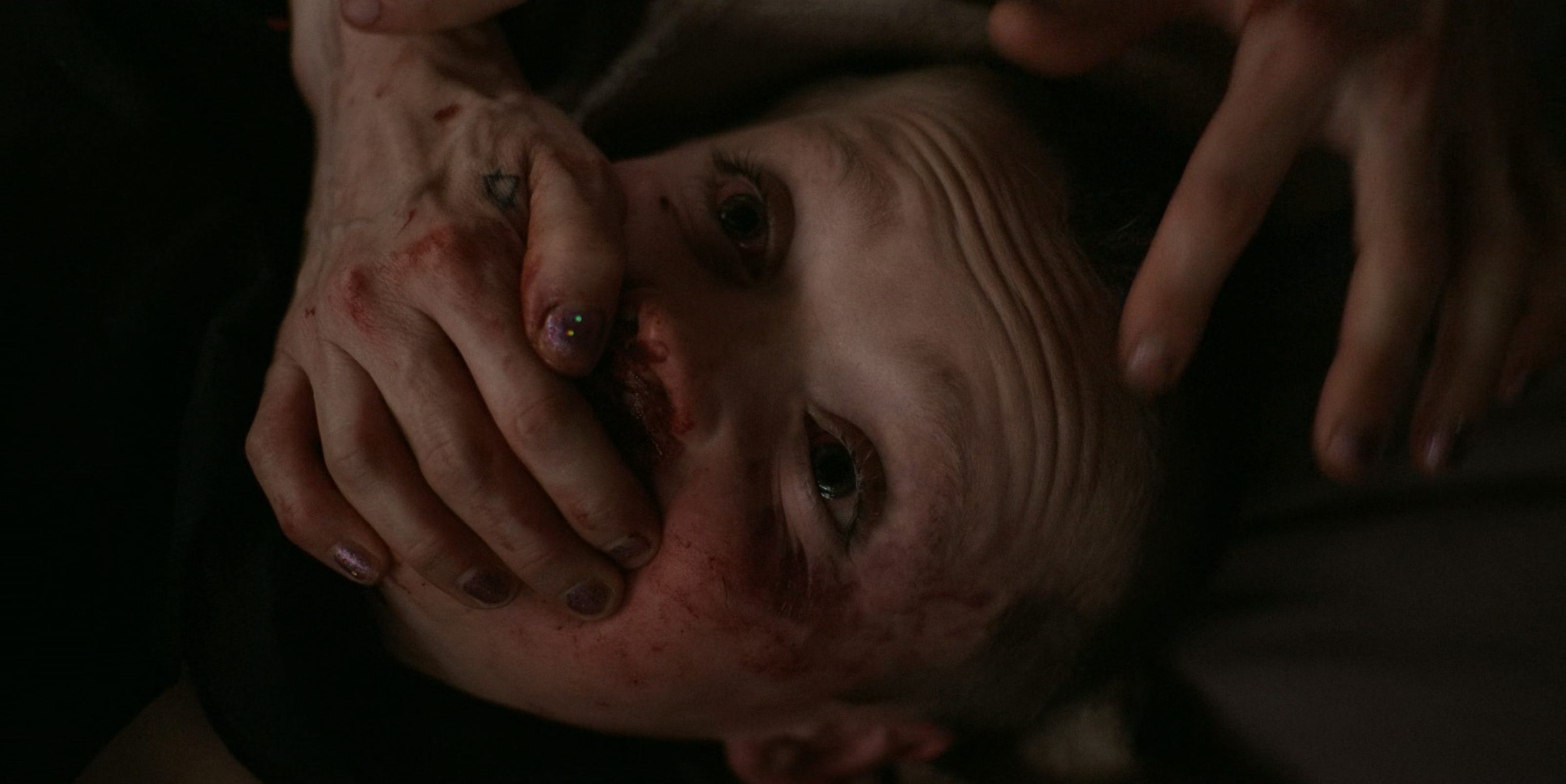
Then there’s Ollie. Who could forget about this little guy? Laura loves her mean girl dramas, just not as much as she hates competition. She confuses listening with behaving. The alchemical symbol for AIR on her hand is what she denies others. The film doesn’t seek to horrify, but traumatize.
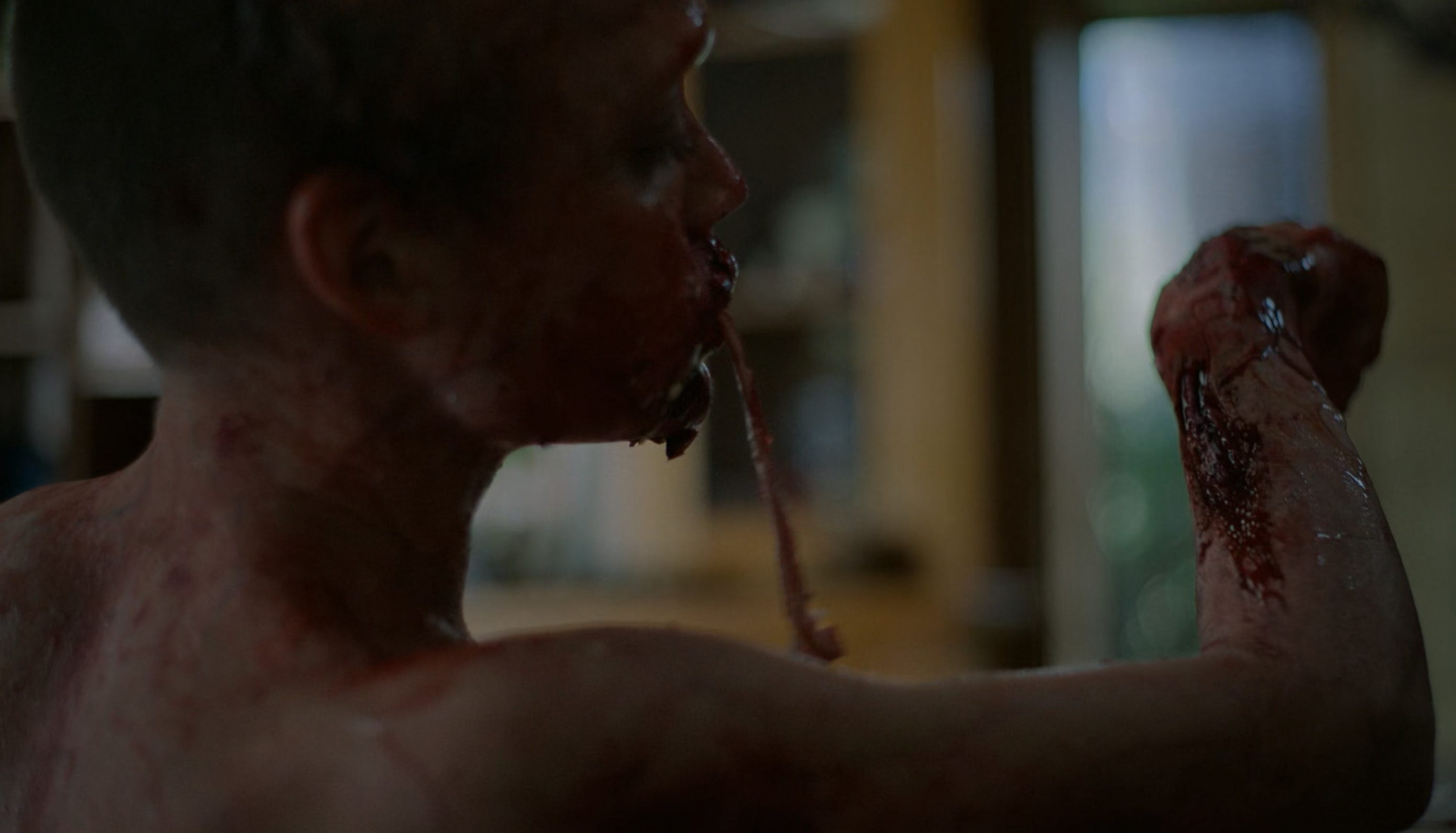
Are you traumatized yet?
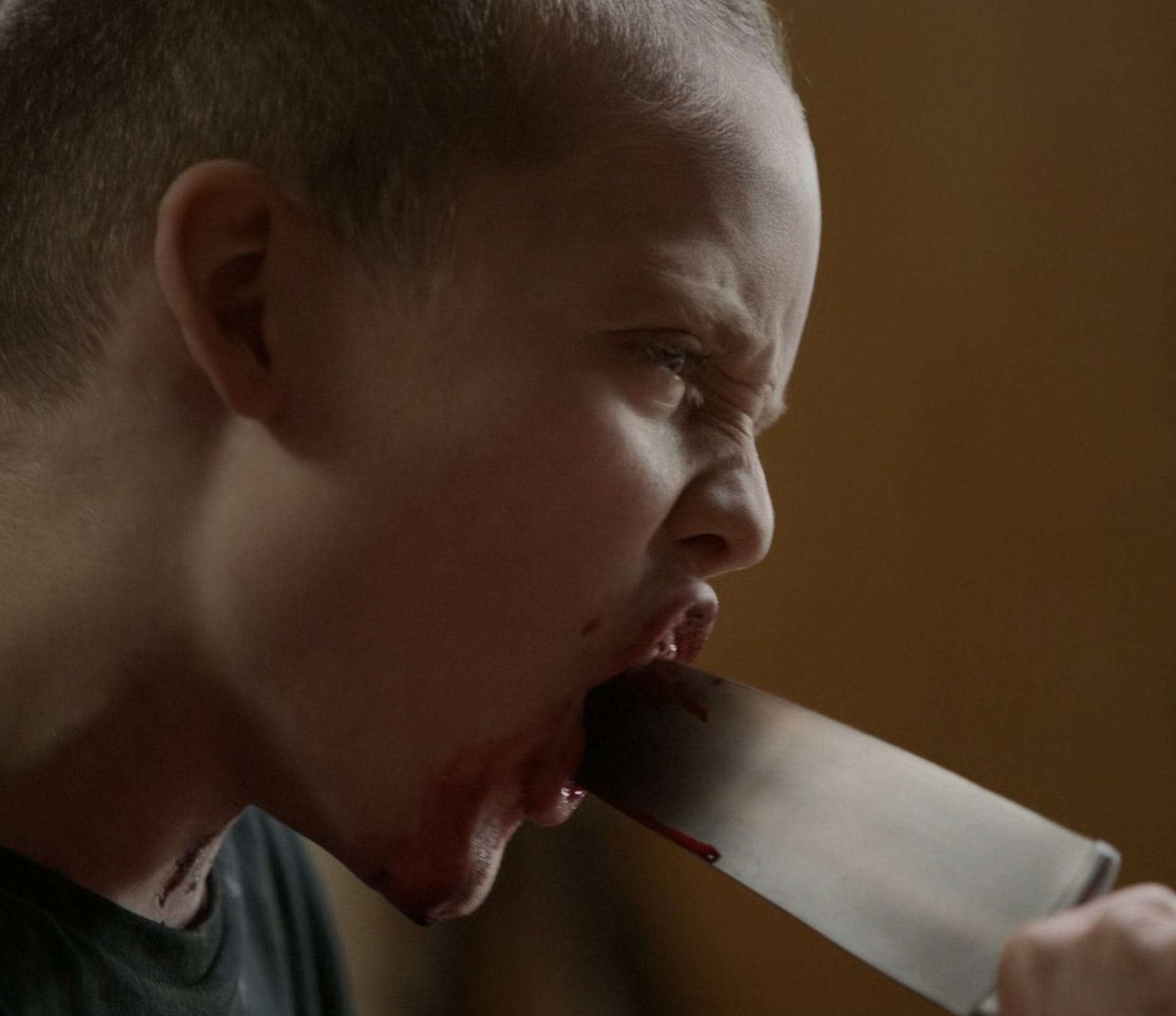
Not as much as Ollie here.
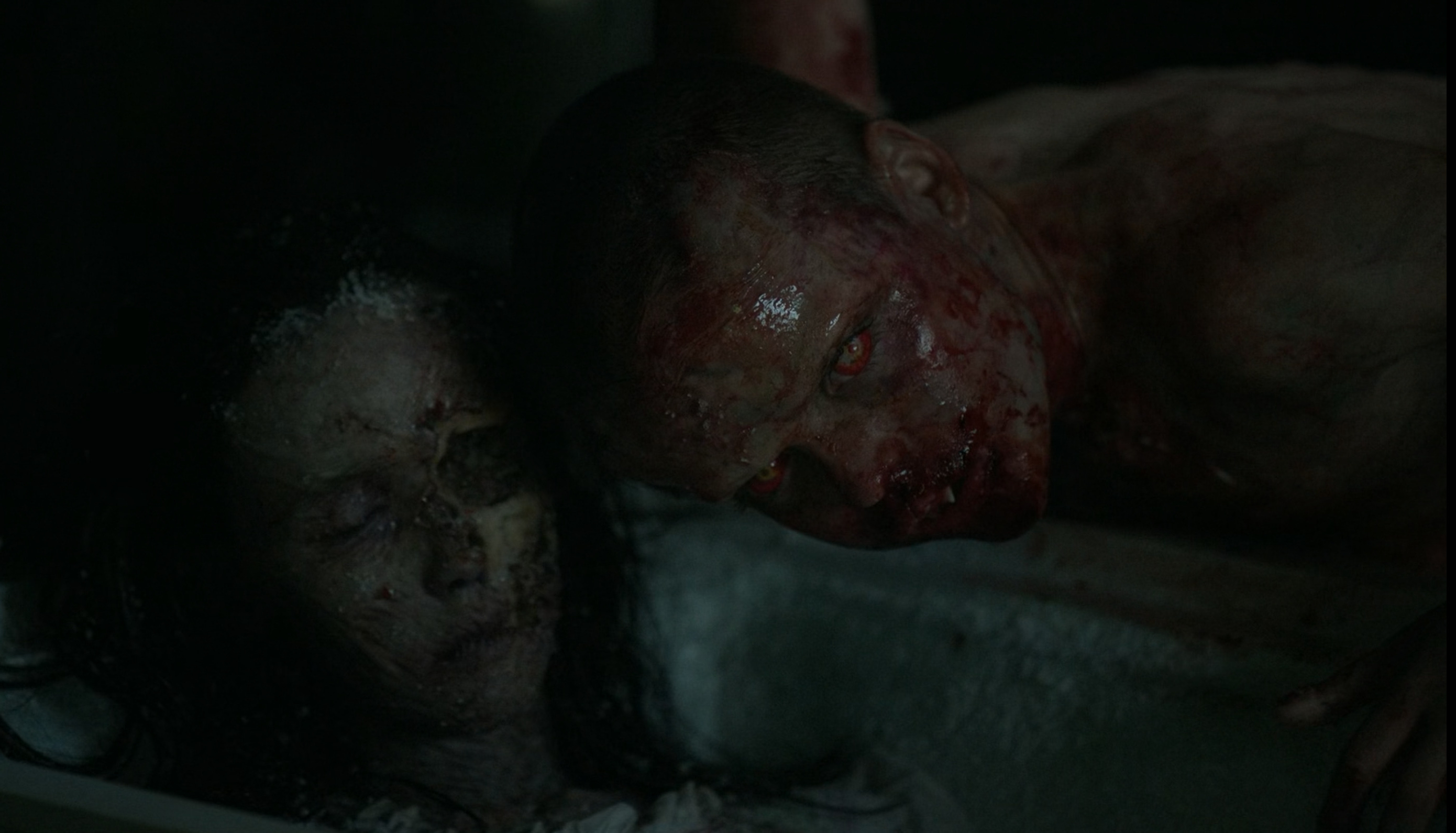
Who is Ollie anyway? He’s missing. Once went by Connor Bird. Abducted from his bed at the age of 10. Has his parents worried sick, the little prick. Can you believe the trouble he’s caused? Even when Cathy couldn’t be easier to tend to, Laura still couldn’t protect her from this disobedient Pomeranian.
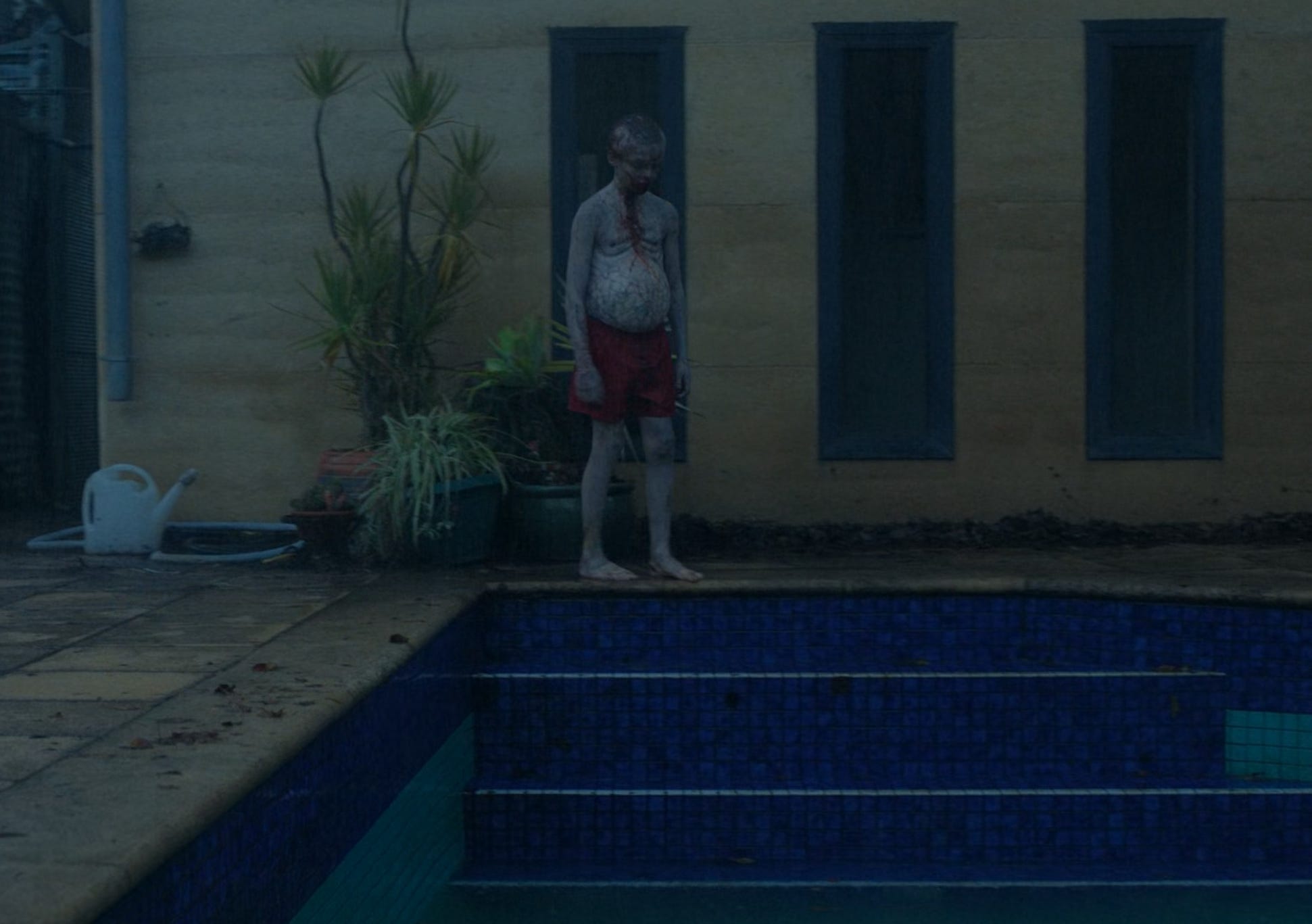
Why is his belly swollen? He’s starving; positively toxic and pregnant with Laura’s meaning. He had to consume the “old body” for Laura’s spell to reach its forgone conclusion. He is a vessel, a tool, something only of utility to her. Not yet sterilized into his own taxonomy, just subject to her taxidermy – scoffed, stuffed, bloated and molded into place as accessory and plaything.
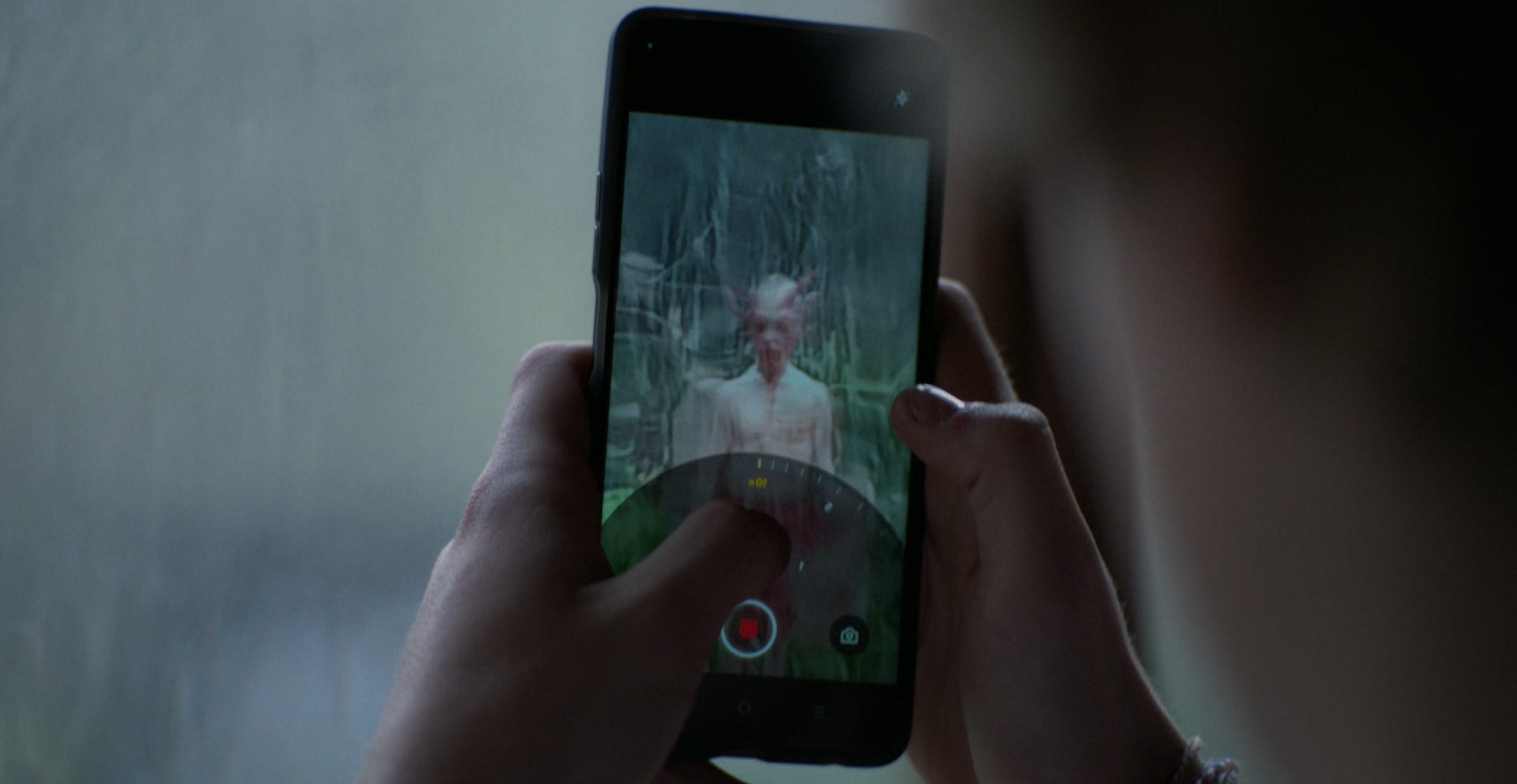
Ollie was made to be a demon. Provoked beyond escalation. Just before his end he’s tormented beyond belief. First he watches with jaundiced eye as Piper is baptized into nonexistence. Then he witnesses Laura abort the ritual and let Piper go, rendering her sacrifice of him also spent needlessly. All she had to do was call Laura “mom”. The preferential treatment was too much to bear. He’s not stoic — there’s still some humanity left in him — so he attacks his newest sister. It’s only when Ollie escapes the conceptual prison of Laura’s dialectic that he can speak freely, breathe easy. In doing so he becomes Connor Bird again.
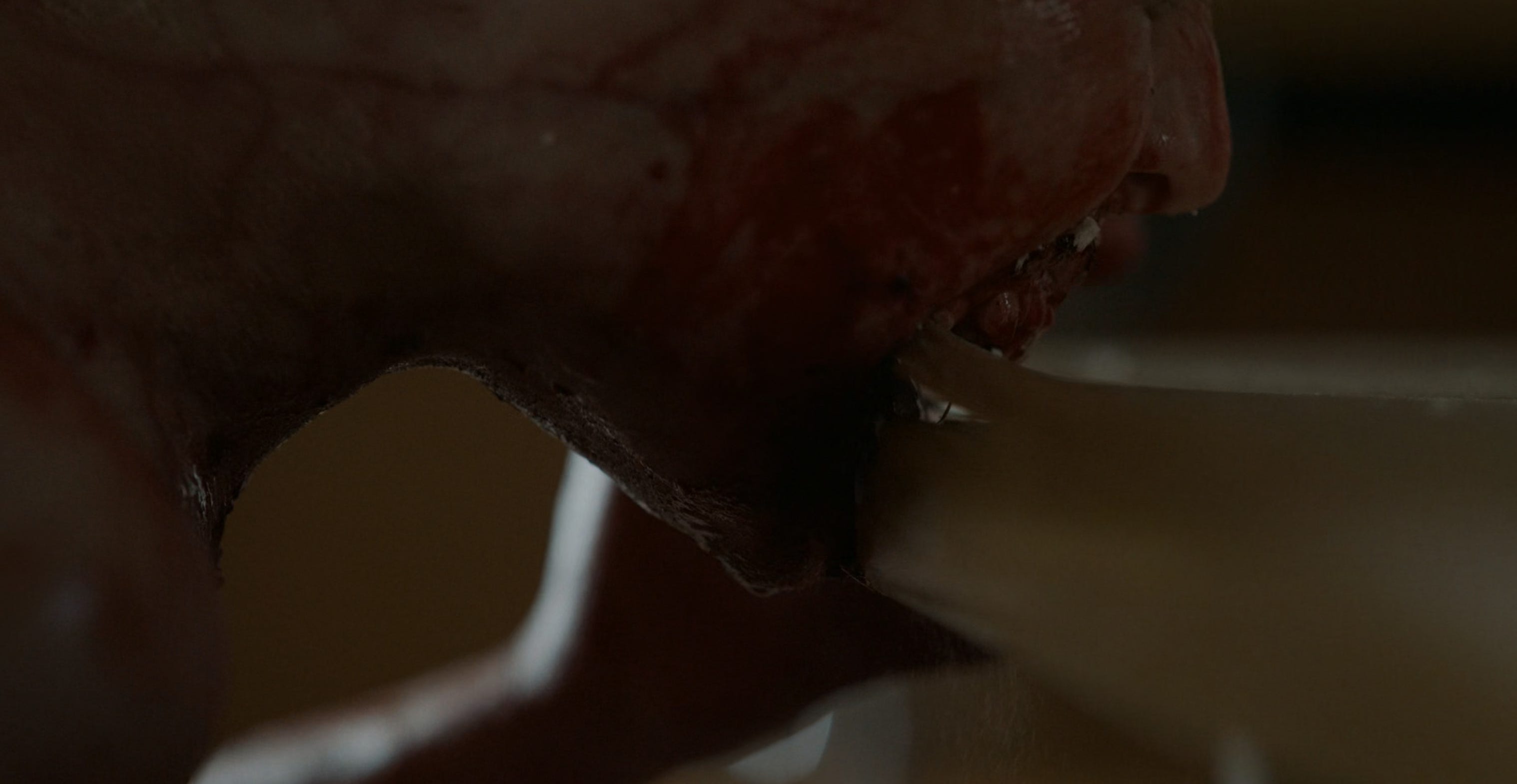
While Andy and Piper are subjected to her whims for a short time, who knows how long Laura had Ollie all to herself? Sure, the possession is terrible, but what else did she do to him? Did she subject him to a lecture? A workshop? A witch hunt? A TED talk? A casting couch? Cognitive Behavioral Therapy? Counseling!? Tell him his problems are just a result of not being positive enough? That it’s all in his head? That he needs to smile more? Insist that he explain himself while condemning his very and every expression? Emasculate him or worse? Is his exterior just what boys feel inside under such tutelage? I’m talking institutionalization – academia, state media, corporate news and other faith-based public relations that only construct empty nest straw men in him through force-fed thatch doused with insulating hatred, inexpressible pain and insoluble conflict. What other context could make gnawing on hardwood, integrating its splinters and swallowing its pulp a sign of power – appropriate?
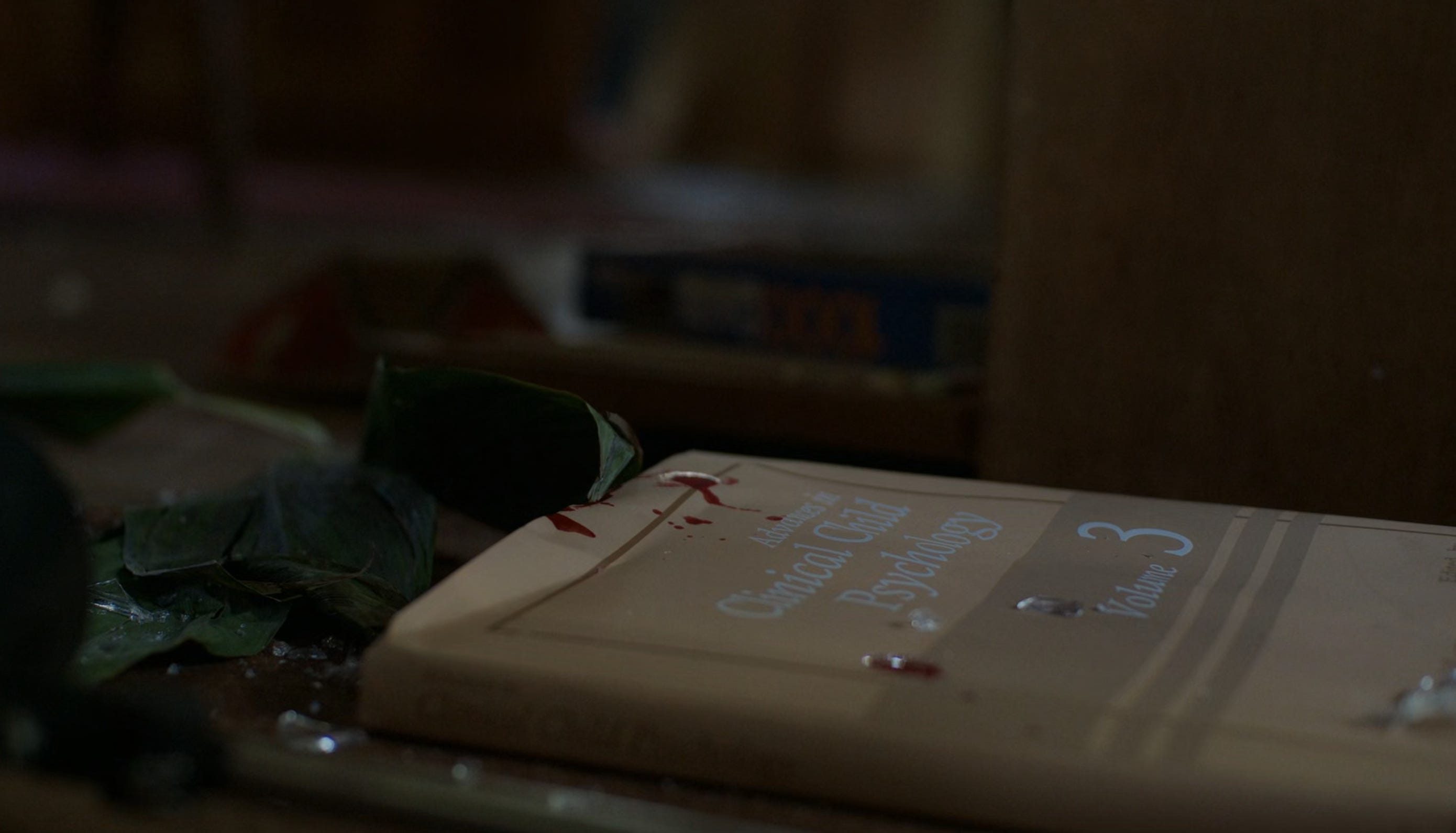
Whatever demon possessed Ollie is less terrifying than the self-help possessing Laura. Self-mutilation, cannibalism, assaulting his sister, manhandling his mother’s cat… how many others has Laura helped? She’s a wannabe Frankenstein whose monster she didn’t create or assemble, but appropriated. How do we know Laura’s emoting isn’t part of the ritual to become human? She “believes” in her system, but merely presents as being against its downside. In doing so, she presides outside the circle, over and above us all as perpetrator and transgressor. In other words, she’s an institutionalist before all else, in service only to herself.
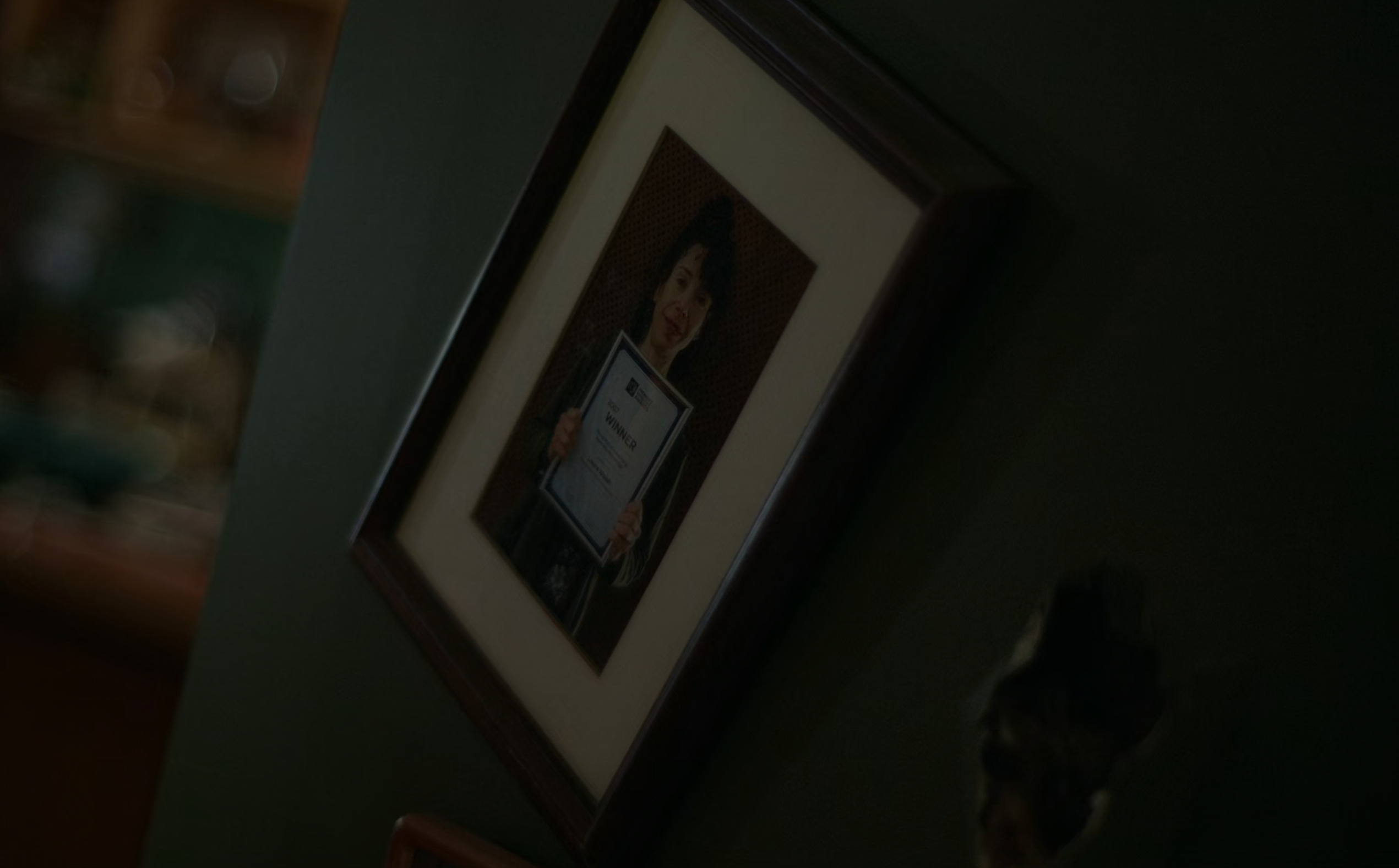
Because Laura is evenly convincing in her gaslighting, it’s impossible to tell if she actually grieves over her child’s death and not her own loss of empowerment. How do we know that when Piper screams mom at her, she doesn’t also see that as some sign? An echo before the fall? Some excuse for giving up the ritual? That she’ll have to try again with someone else? Will she have the time or inclination to get to know her then? Does she let go after nearly killing her current daughter? Or merely retreat?
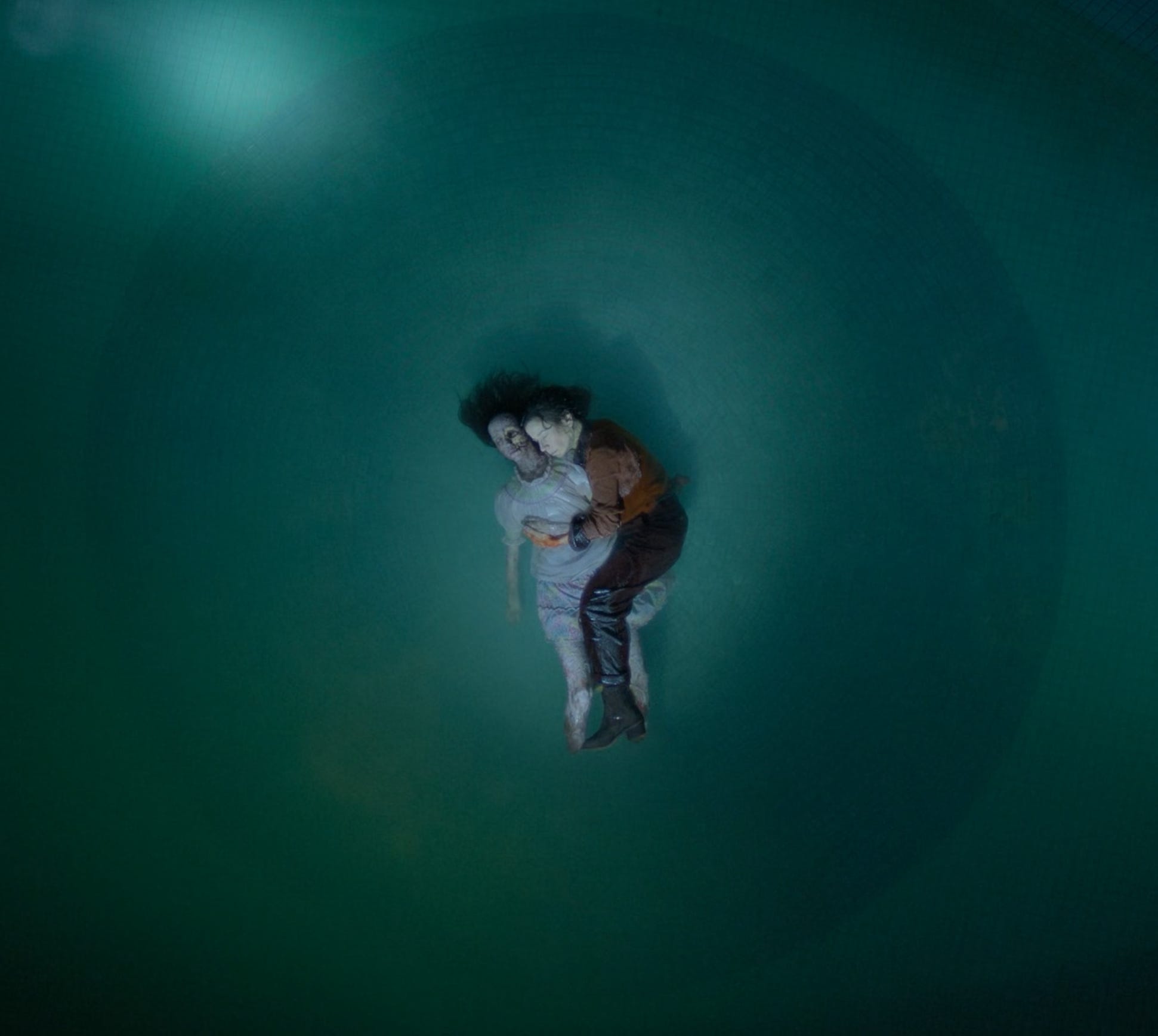
How will Piper get through her trauma? Blind, without love or family and not yet legally old enough to live on her own… what do the Pipers of the world have to look forward to upon returning from something so harrowing if it’s not another infantilizing institution? What kind of future could she hope to lead?
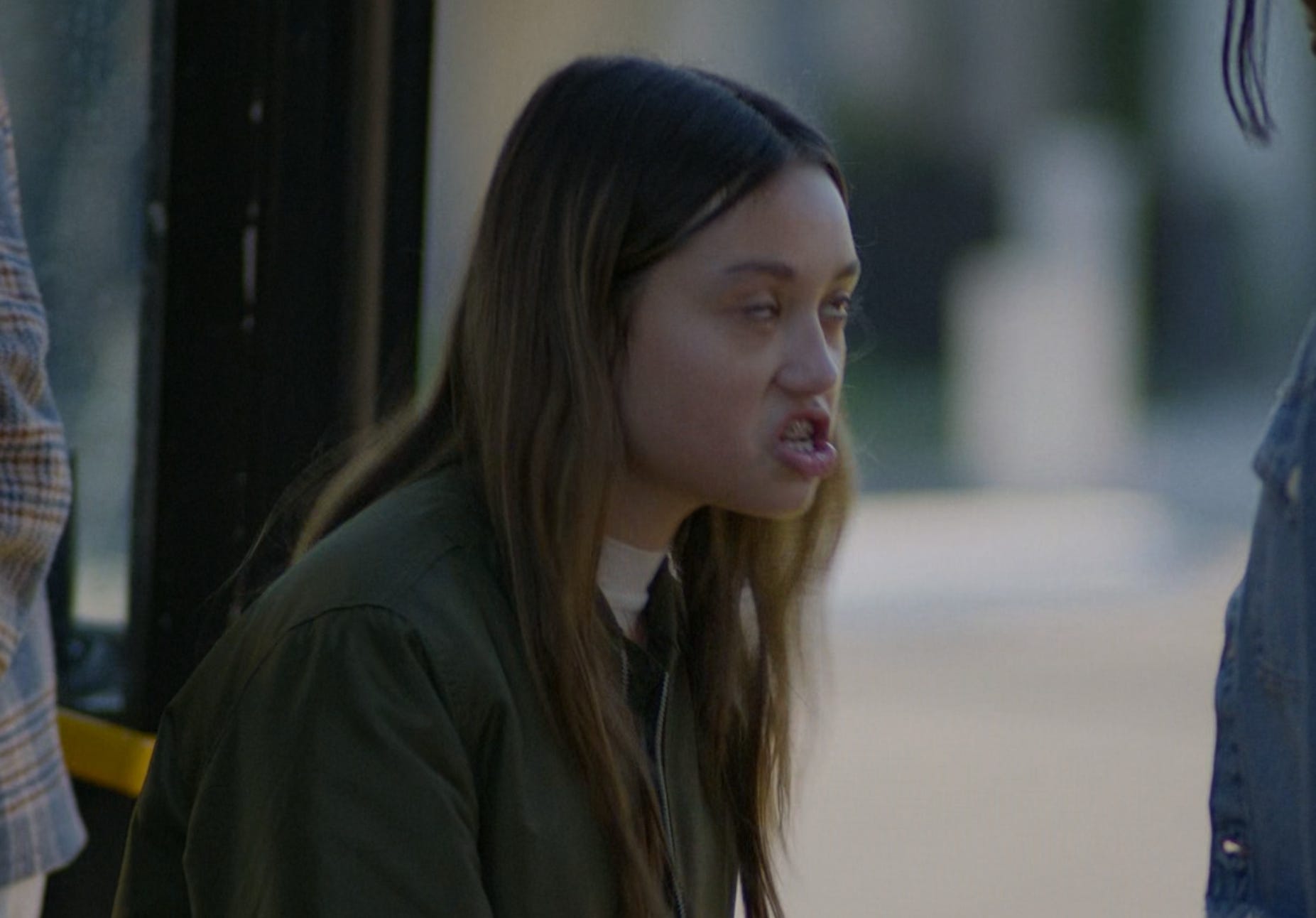
This? Is this attractive? Appealing? It’s certainly without taste. This is what empathy looks like in a budding reactionary; a mirroring that merely mocks, forsaking what could be gleaned from playful imitation. It’s a face that screams alcoholic extracurricular busybody who peaks before the end of high school. Perhaps overdosing on prescription or designer drugs before she has a chance to dropout and become borne again. You know, the antisocial Social Darwinist type who’d probably end up as a geriatric nurse of some kind once her parents stop bailing her out. Or maybe she’s just some Social Justice theater kid. An actor pretending without imagination. Perhaps someone whom Laura helped at some point.
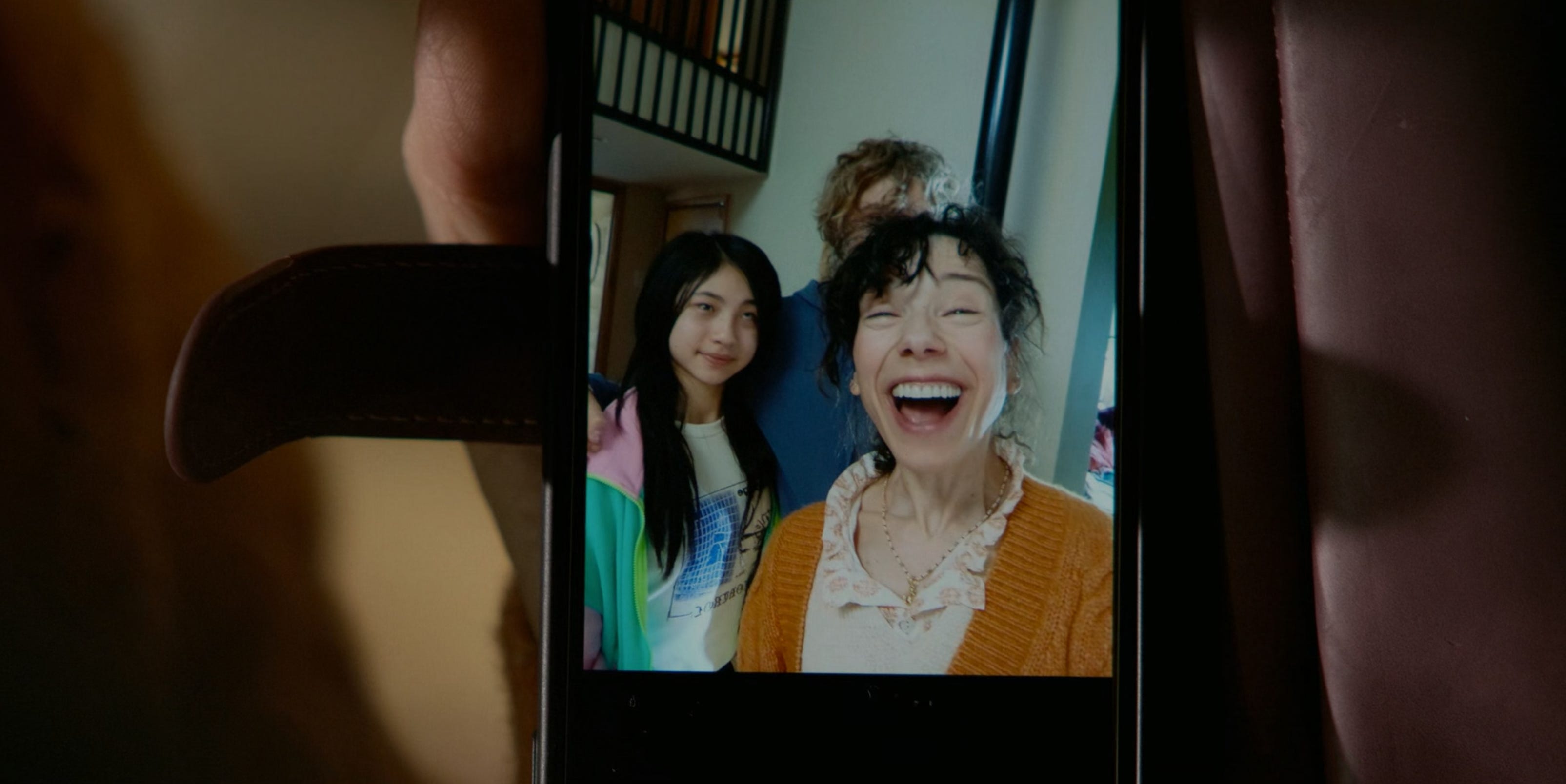
However, if you listen closely to this introductory scene, past the rumors, hearsay, pecking and squabbling, you can picture Laura’s foreshadowing. One of the girls – it doesn’t matter which, it’s herd-speak claptrap – lets slip that who she’s talking about is trying to be you, yes you, even if she’s, like, a millennial…. Now, brace yourself, I’m going to use this to attempt to understand Laura. It’s going to get ugly. Empathy demands it of me. Remember, I’m just a messenger, your guide.
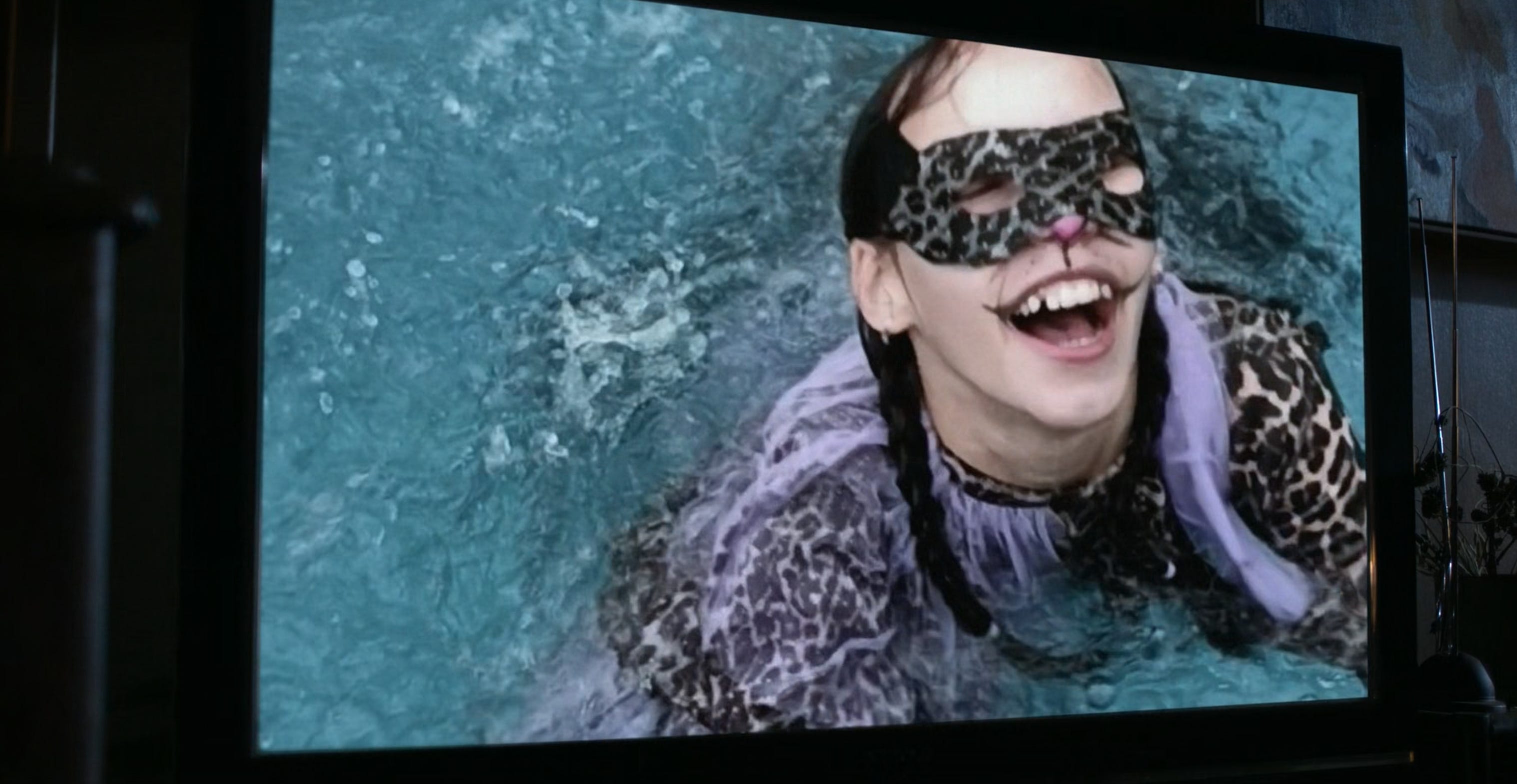
What explains Laura’s arrested development? Social media? Instant gratification? Likes? Could it be the mass oversocialization of overachievers? Propaganda and censorship? Or something that reflects personal agency, like the echoes of free will captured in a physical medium she can loop endlessly? How would that explain her hatred of men? Did a man box her out of the child development career she wanted? Surely her need to spread trauma stems from her own in equal measure, right? An eye for an eye? It couldn’t be just for attention could it? That would be irredeemable. Deplorable. No, it’d have to be something beyond my experience, something I’d need to intuit.
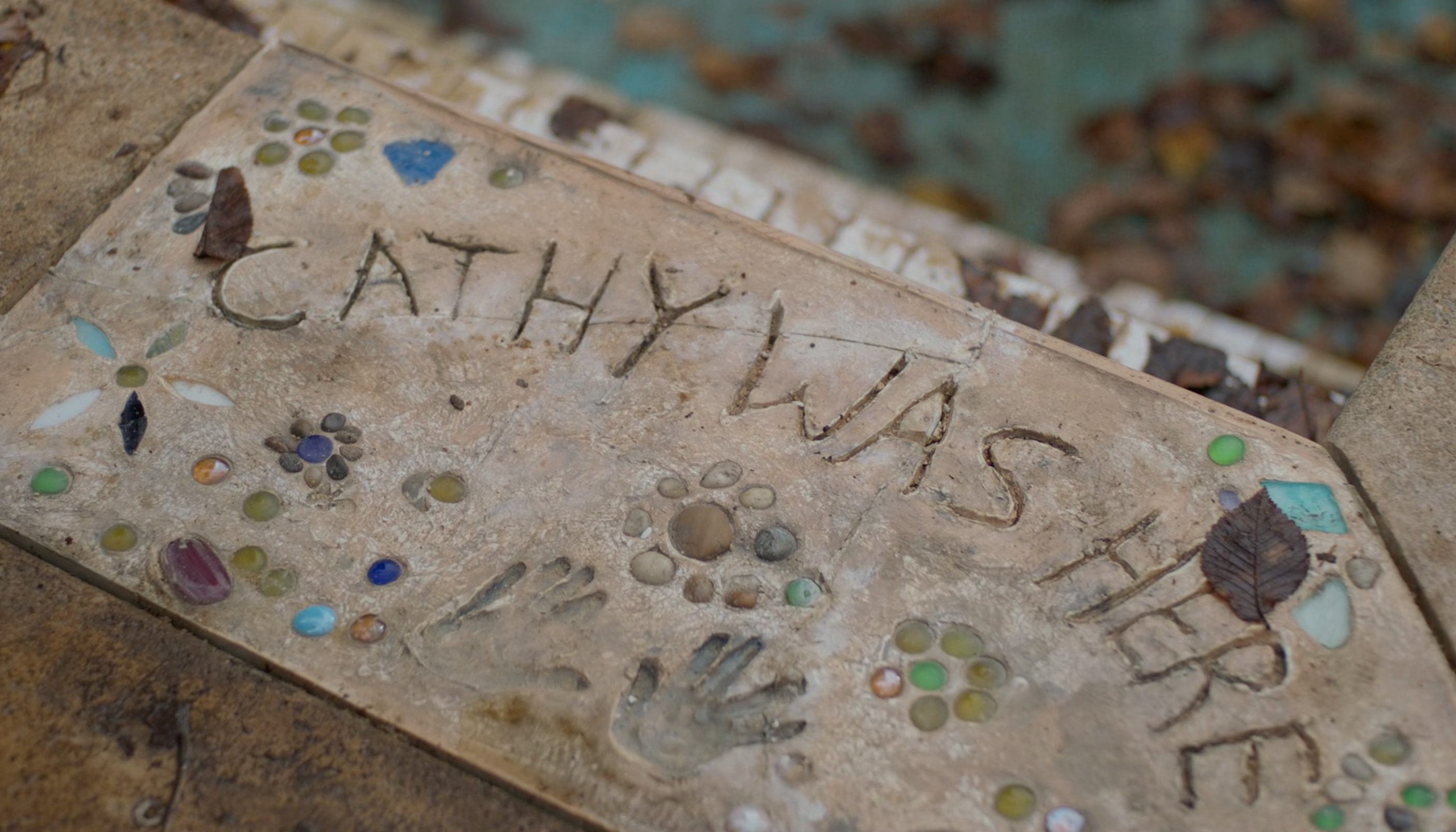
Is Cathy a metaphor for Laura’s innocence or just youth? Is this her own missing person’s poster? Would I be giving her too much credit here? Cutting her too much slack? Reading too much into things that aren’t apparent? Spoiling her image? The grief from losing a loved one can be the most painful, traumatizing, maddening experience one could go through. The pain can be so overwhelming as to eclipse reason. But it is also humanizing. Something that should be respected and observed for at least some time, but not forever. What I’m trying to discern is, where does the man hate fit in? Without that, I might be able to connect to such a tortured soul. As the object of potentially misdirected hate, I must be duly objectionable — skeptical and aloof.
‘I do not like it.’ — Why? — ‘I am not up to it.’ — Has anyone ever answered like that?
Let’s start with the worst possible thing that can happen to a woman in our contemporary culture. Was anything resembling rape shown? Not to Laura nor Cathy. In fact, nothing sexual happened at all. Unless you count Laura and Andy kissing his foster father’s corpse at his open casket funeral. Something Laura wanted for Andy, a keepsake of his last moments with his abuser. What is Laura’s connection with this father anyway? Did they swim in the same circles? Provide each others’ networks with the youth they craved? She didn’t stalk the blind before she “formally” met Piper, did she? How did the father die again? He drowned in his own vomit, right? But I digress….
When we have to change our opinion about someone we hold the inconvenience he has therewith caused us greatly to his discredit.
What makes rape traumatic? The occlusion of the self by something darker; a perversion and altering of a future; betrayal, alienation, exposure and paranoia; social fallout and potential burnout from sex, love or even connection; possible irreparable damage to the body and unwanted pregnancy. What makes rape tragic? Particularity here and now? That rape has been put on a pedestal, elevated above any other violations of merit. Privileged. Rape is a crutch to its perpetrator and insinuator; a bludgeon to its victim and defendant. Rape is only one facet of possible trauma, what we’re scolded into believing trumps other forms of abuse. Pushed up against its smeared-red glass ceiling to view the abyss only one way – shallow. Making us monsters in its rose-tinted light.
Ultimately one loves one’s desires and not that which is desired.
What makes trauma tragic? The loss of agency replaced by unshakable memories – a parochial leash in time nailed to an internal wound that never quite heals taut with imposed tension to a hidden growth that never quite recovers. Trauma occurs when one isn’t ready for it, wasting time constantly catching up makes it regrettable. What makes criticizing or voicing rape taboo? Civil society. Make of that what you will, Freud did. What makes trauma so touchy, so touching, is that to prove its point it targets innocence.
One has to requite good and ill: but why to precisely the person who did us good or ill?
If Cathy was just another stand-in for Laura’s youth and the trauma that keeps it circling the drain was caused by rape, that’s awful. Tragic. For the sake of my stake, let’s say this was the case. Does it justify how she treated her son and captive? Is it ever okay to inflict trauma on the innocent intentionally? If the worst thing that could happen to someone isn’t justification enough for her hatred of those she victimizes, what is? If she wasn’t actually sexually assaulted, wouldn’t her crying wolf hurt those who have been? Does empathy halt at the salted boundary that is transgression? What would any remaining connection be called? Has it started resonating with you what empathy has become?
He who rejoices even at the stake triumphs not over pain but at the fact that he feels no pain where he had expected to feel it. A parable.
The magic circle is proof Laura knows what boundaries are. She just doesn’t respect them. They’re not her boundaries, but inflection points. Changing course after hearing mom is the confirmation. Would her hearing uncle! yield similar results? Let’s say Laura does bring Cathy back, would she ever be more than a child through the trauma of being born again? It’s the pursuit of her innocence, her absence of guilt, that drives Laura’s actions. She prefers eternal virgins and immaculate conceptions. She likes them young – blind or dumb. How do we know that when Cathy died, the blood loss wasn’t caused by one of Laura’s blunt traumas? Could Laura have simply reacted badly when her youth tried distancing from her in an attempt to grow? Maybe Cathy just talked back to her but she wasn’t ready nor willing to listen? Accepting what is communicated is a mark of maturity. Goethe called it an acquired art. Like painting a whole bowl of grapefruit without broad strokes.
Counsel as conundrum – ‘If the bonds are not to burst – you must try to cut them first.’
If speech from the opposite sex is resoundingly heard as hate, love increasingly felt as assault and sex progressively seen as rape… does Laura merely suffer from generalized oppression? Sexism, that is — any hysteria would be downstream. If this interpretation is accurate, if this is how all women feel and not just Laura, then maybe we shouldn’t continue as a species. And I don’t mean Transhumanism. Those who believe advanced technology and its rituals will be the great leveler between the sexes are dangerously delusional or resentfully suicidal. What goes around, comes around is never more vicious than just before posterity ends. Ideologies that spawn or spin these lines of reasoning should be abandoned and forgotten once and for all. And yet, is there something counterintuitively deeper here? Something that keeps one wanting more when one has had enough?
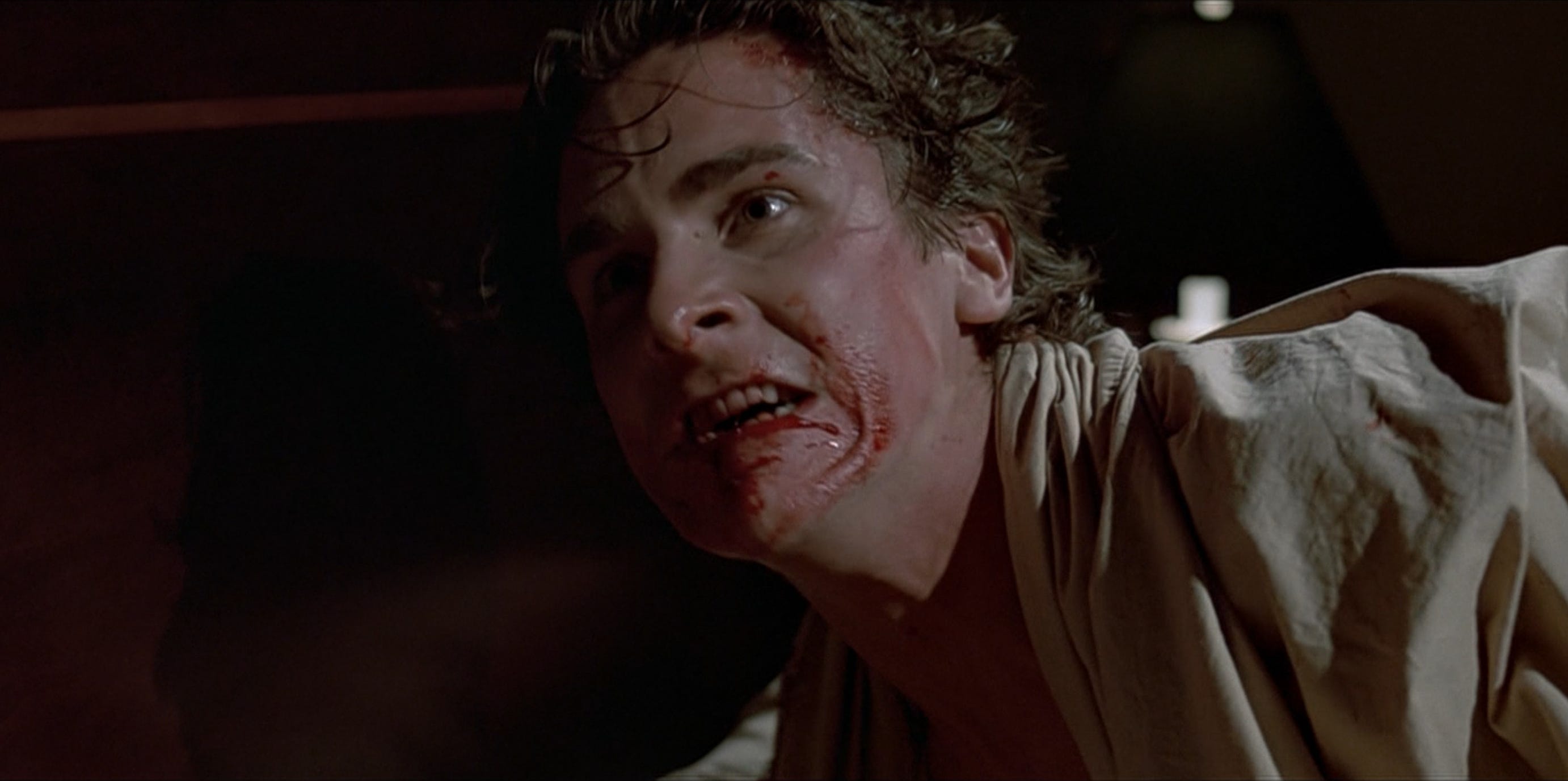
It’s hard not to see the obvious dis-ease in Laura, her pool is piddling. Turbulent. Without warmth. Her trauma doesn’t stem from brutal violation or sudden loss, but growing old. Irrelevant. With no one to entertain her like they used to. With no one who’d want to call her, family or no. She spent too much time networking and now she’s hollow — perhaps rather, still hollow — eternally objectified inside an outdated body. An education that leads on to this point isn’t worth adhering to, let alone evangelizing. It certainly isn’t worth clinging to with one’s grimaced teeth.
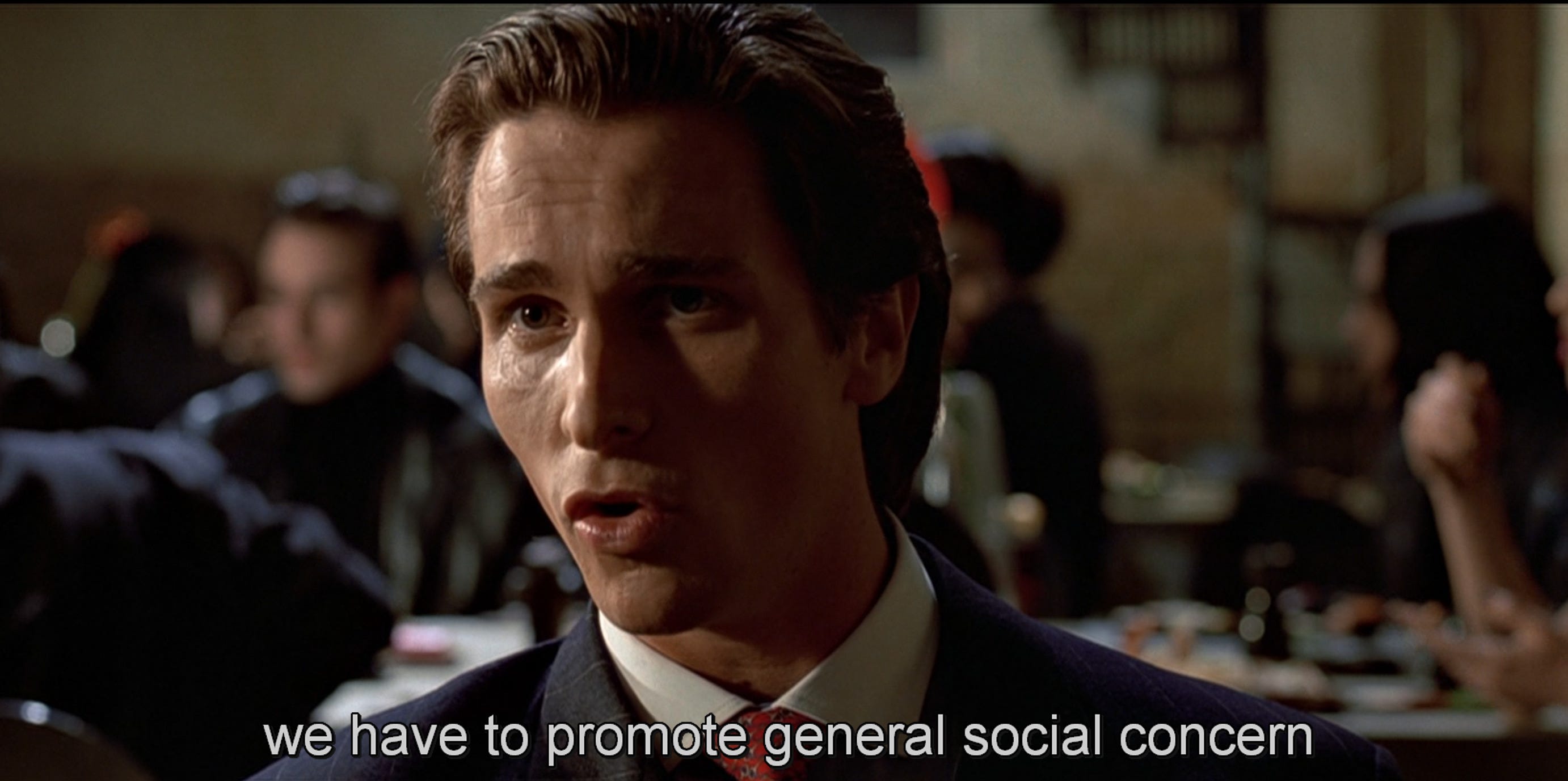
How is preaching about, say, open communication, mutual respect, moral agency, personal responsibility and social justice worth listening to? These sayings seem like what someone merely seeming to be human would utter. Why would someone who believes in Progress talk in circles so? At one point such behaviors were considered within range of kindergarten skills. How is it that “higher” education, corporations, clinics and other religious real estate so readily absorbs this schlock? Have their target audiences not learned these lessons yet? Would they have learned quicker without professional intermediaries? How much damage has this social experimenter done to boys, girls, relations and love, just to prove what so many of us know intuitively?
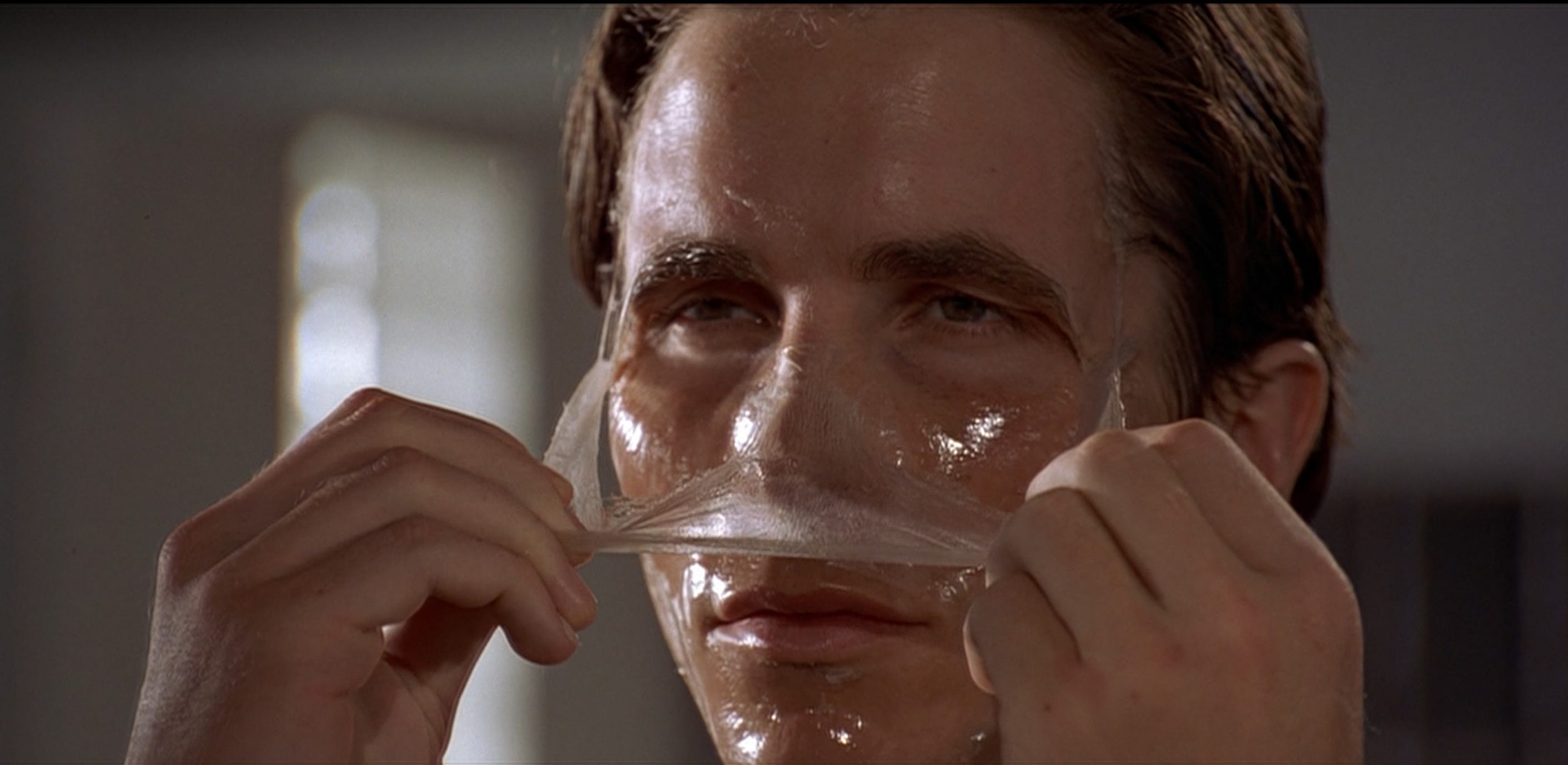
Not being honest with oneself attracts persecution; speaking out of both sides of one’s mouth engenders paranoia. Laura is incapable of good faith engagement because she’s never believed a word she’s said. Her words are not her own, used only as lip service to her image, sinking ship lifestyle and immortal agenda. She quests for fruitless knowledge, clinging to what can be known as laid out by the system she embodies and despises. She uses her skin-deep identity to shrink-wrap her overvalued ephemeral status at the expense of the herd she’s utterly dependent on. She’s not a psychopath, but a sociopath — a worn-thin petty differentiation of indifferent identities. There is only this mask; Laura is nothing more.
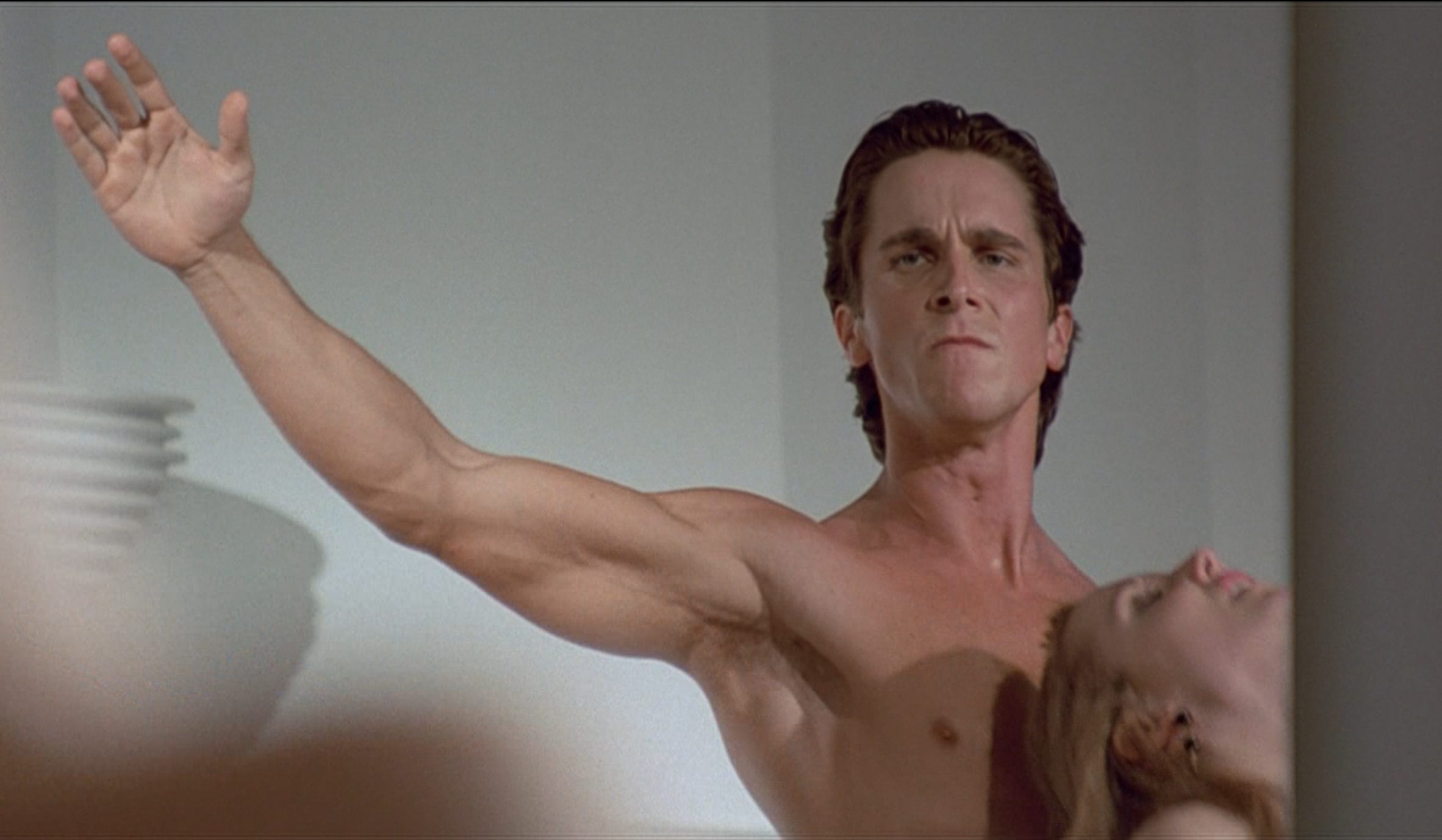
Laura gives Ellis’ Patrick Bateman a run for his unearned and poorly spent money. Does fitting into a tragic backstory make her more relatable than Bateman? Is it worse because her preferred prey are children or better because it’s not sexual? If you believe Laura’s story, why not believe Bateman just needs to return some video tapes? Where would Laura return hers? What is a career but another identity to hide behind? These are the preoccupations connoisseurs of generic antipodes get away with. Bateman didn’t just hate the opposite sex, but everyone outside his empty interior. Both treat trauma as derivative of their own unfulfilling, unpunished ambitions.
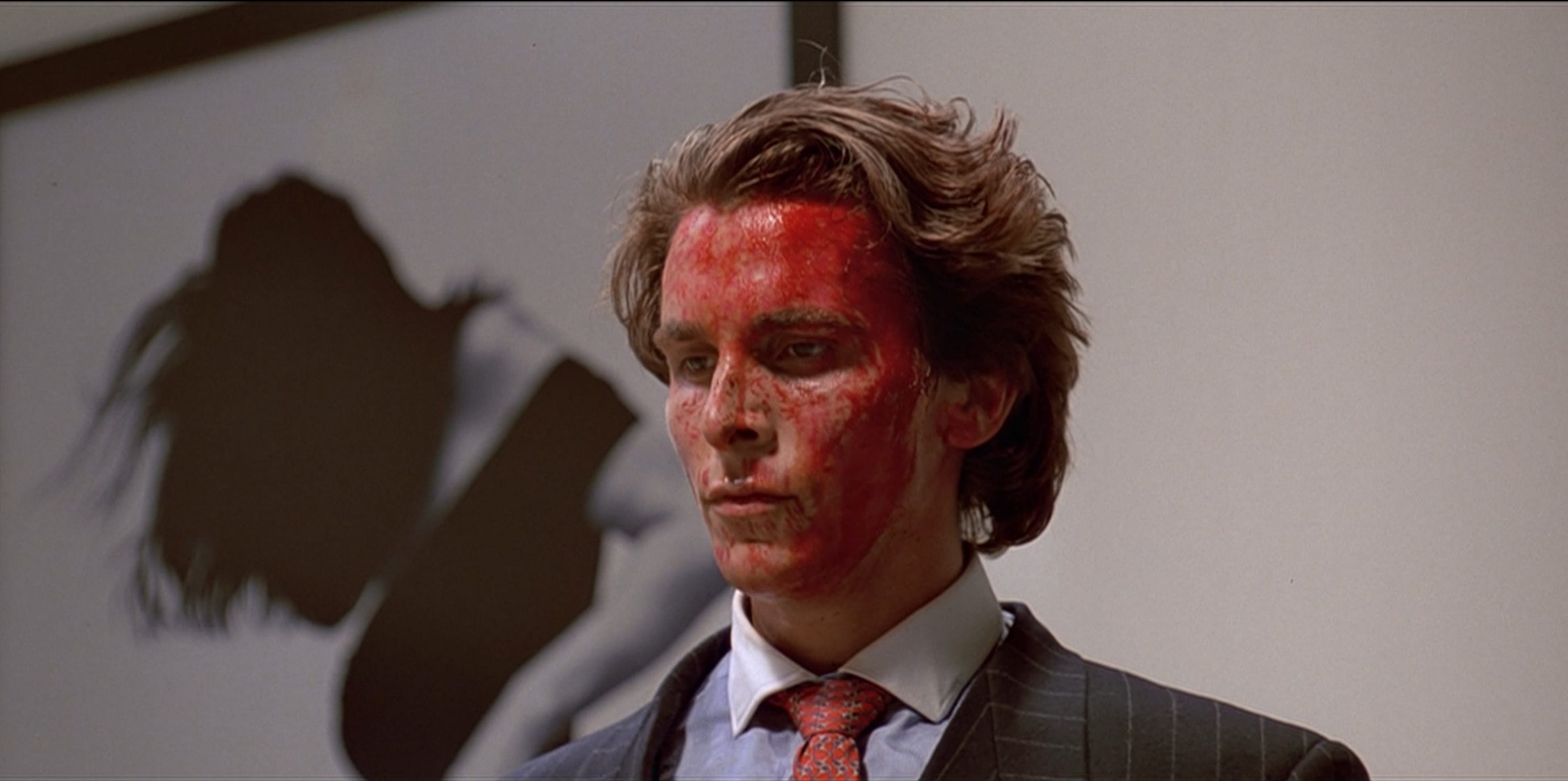
As a playful thought experiment, let’s say Laura isn’t a witch — some commercial pagan or New Atheist — but was, say, a Zionist; willingly, unwittingly or without choice. That is, an exceptional nobody in the most noxious and obnoxious rules for thee, but not for me sense. An elite only among her shrinking peers. Would she behave differently? Would she be any less manipulative? Any less spiritual? Any less legitimate in whatever authority she thinks she wields? Culture is more than collections of deadwood, right?
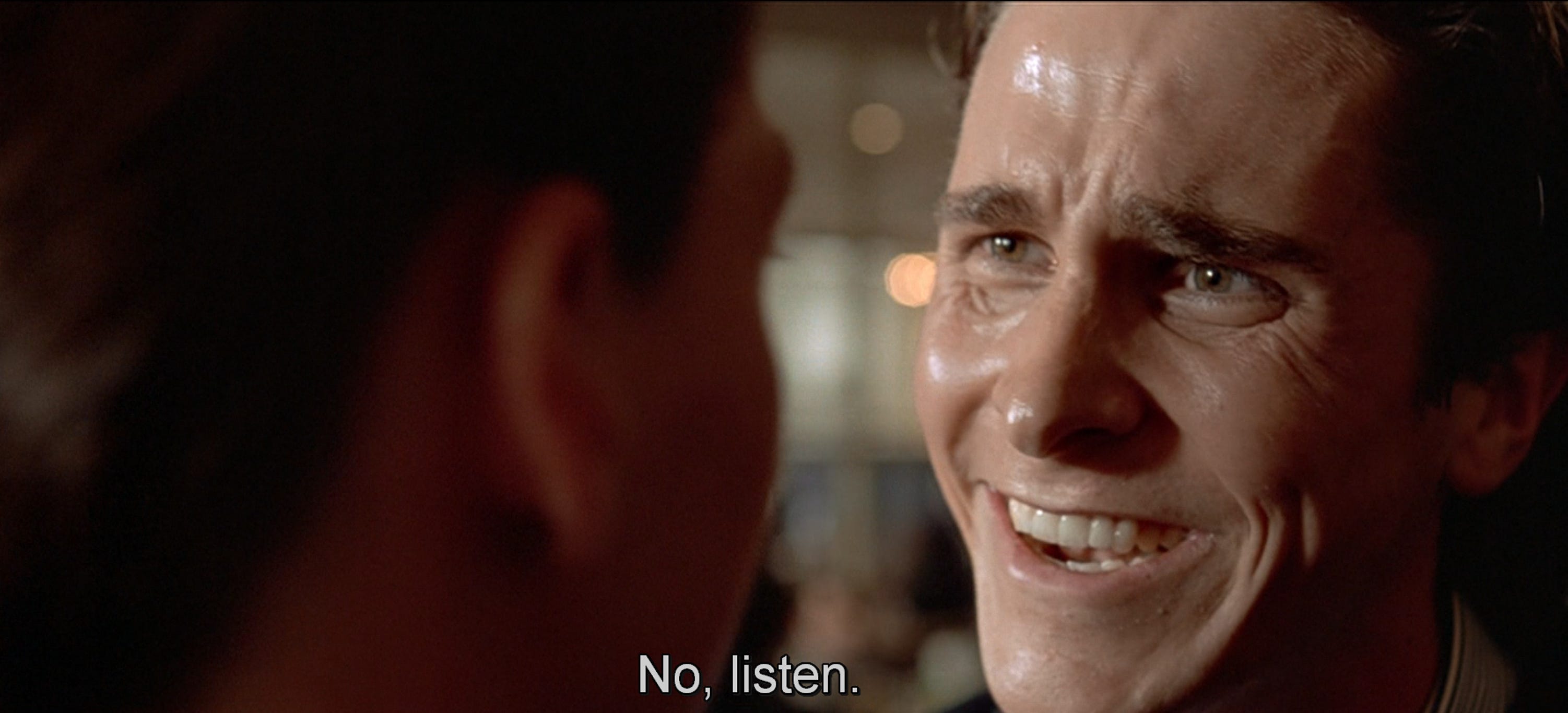
Maybe there are worse things in life than rape. Like a night with Bateman or a session with Laura. Like losing one’s religion, culture, country or family. Like losing a partner. Like losing one’s self to those without. Like growing up without a future or proper sense of history or agency. Like being systematically ignored and habitually sacrificed. Our cultural economy is outsourced alchemy – turning slop into gilded crap, bypassing individuals, connection and the golden rule. Disintegration of community is a primary source of personal violation. Maybe reducing abuse to an antithesis makes me feel… like my intelligence is of no consequence.

If Bateman’s environment entitled him to what he was sold into wanting, is Laura’s any different? Has the cutthroat fast-paced merger-prone bailout-dependent hyper-competitive mediocracy of Wall Street breached even child care and social services? And what of the low stake brutality of academic politics? How does a social worker afford a plot and pool like that anyway? Living carefree on her own away from pesky neighbors somewhere remote with property lines clearly marked… that’s something more like what a social commentator or bribed influencer could afford. How could not thinking for oneself be called individualism without inversion and coercion? No muffled diesel generator can hide one from the prying eyes of the network one can’t live without. Whatever else rugged individualism might be, and might rightfully be, it’s sterilizing. Especially when espoused by those so pampered.
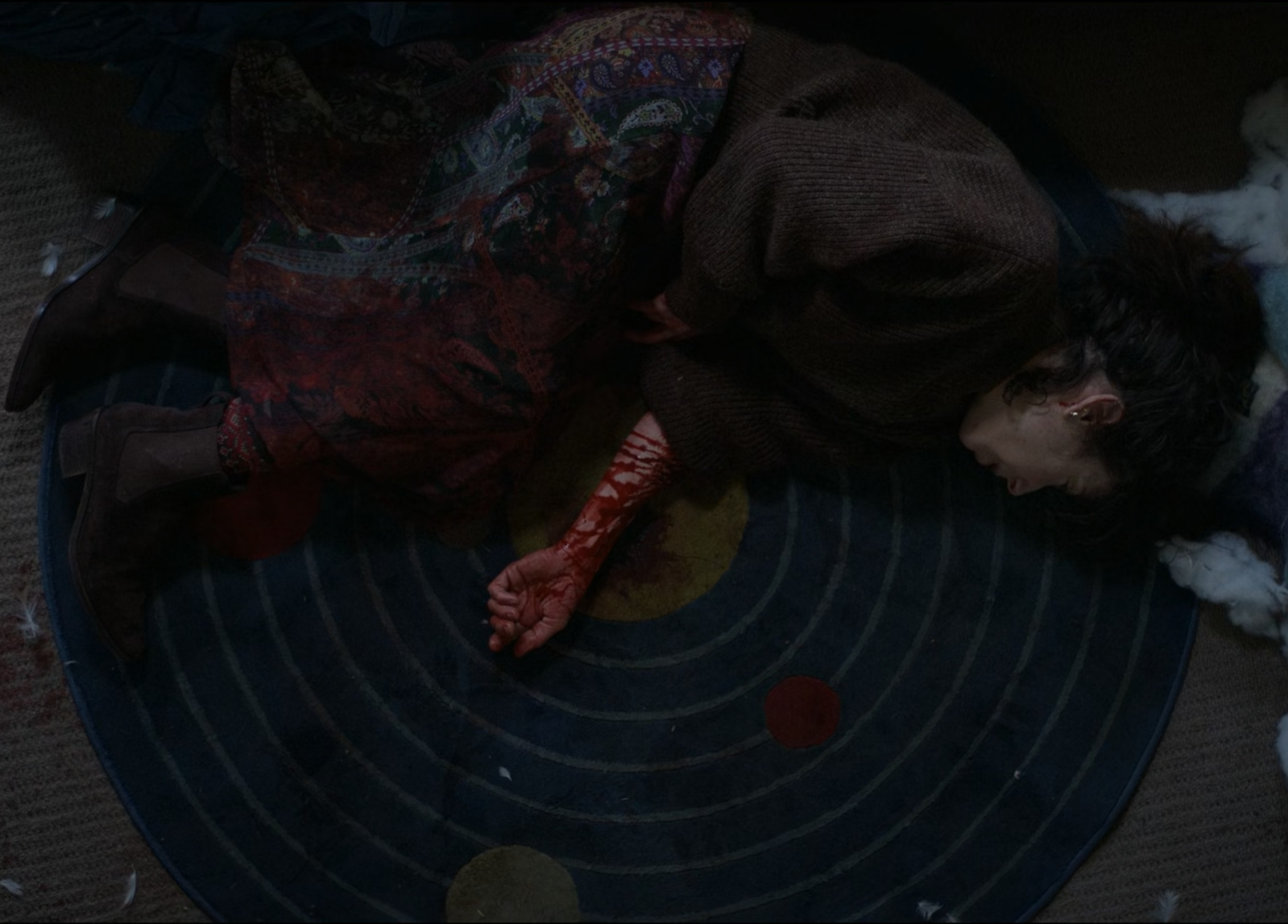
What Laura wanted for Piper was worse than mere sexual abuse. She wanted her subsumed. Unbirthed. “Unalived.” She wanted her load-bearing with self-terminating ideas and hatred for brothers, fathers, fatherlands, lovers and possible sons for all time; infected with pettiness and brought low by ill-conceived ideals that refuse to mature. She wanted to waste her potential, steal her future and lead her astray. What could be more torturous than unilateral possession? Witnessing loved ones suffer. What’s more, noticing too late just how much agony they were in.
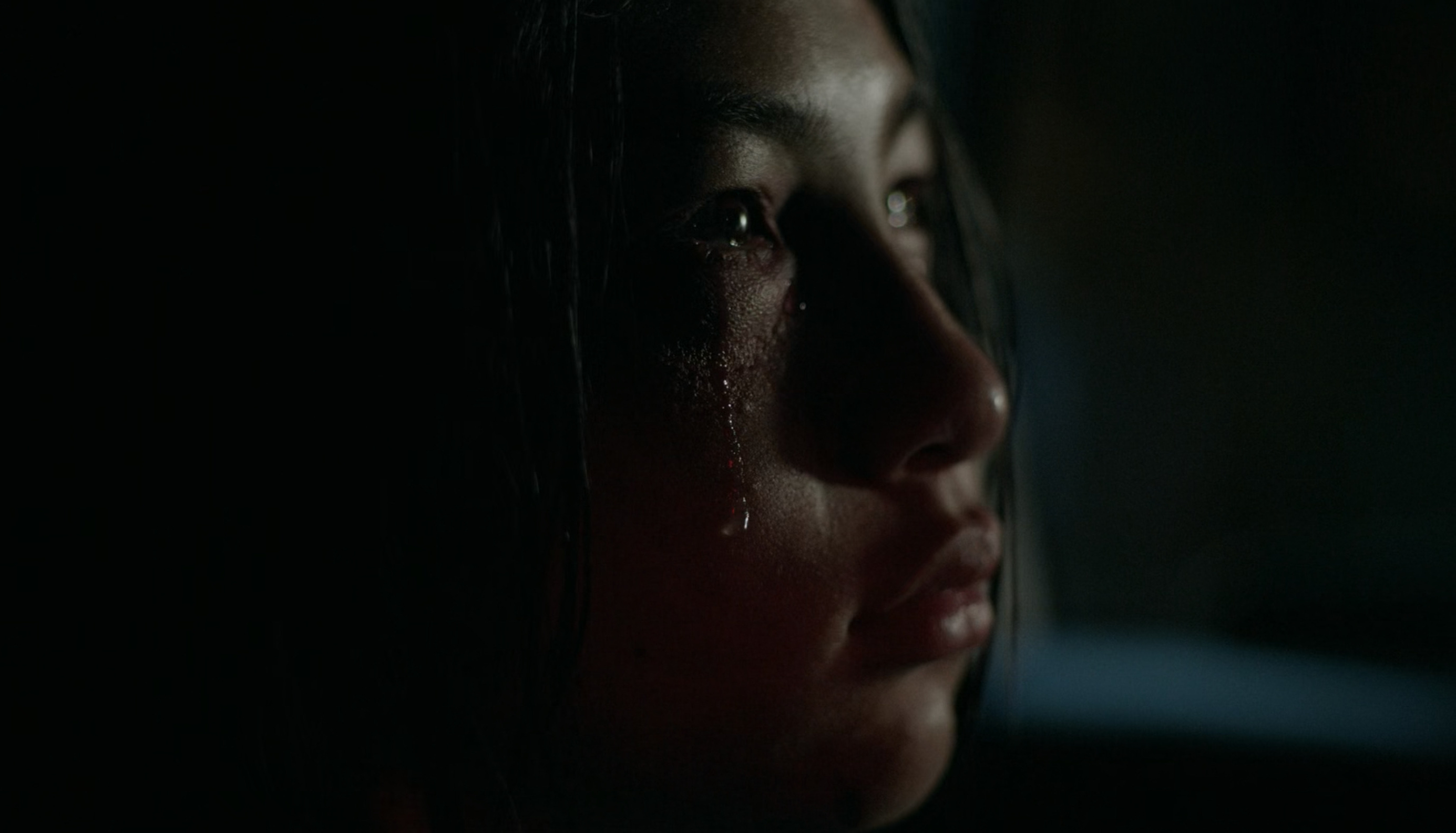
As brutal as it is to see what Laura does to Andy and infer all she has done to Ollie, I can only imagine Laura’s savagery toward Piper’s more exacting timepiece; she ravages young women out of their futures by convincing them it’s never the “right time”, that there’s no time, no space for anyone else. One must consider her always and remain busy. Useful. Away from the watering hole, out of any dating pool, productive and not unhappy. Neutered. Laura preaches therapeutics but practices hedonism.
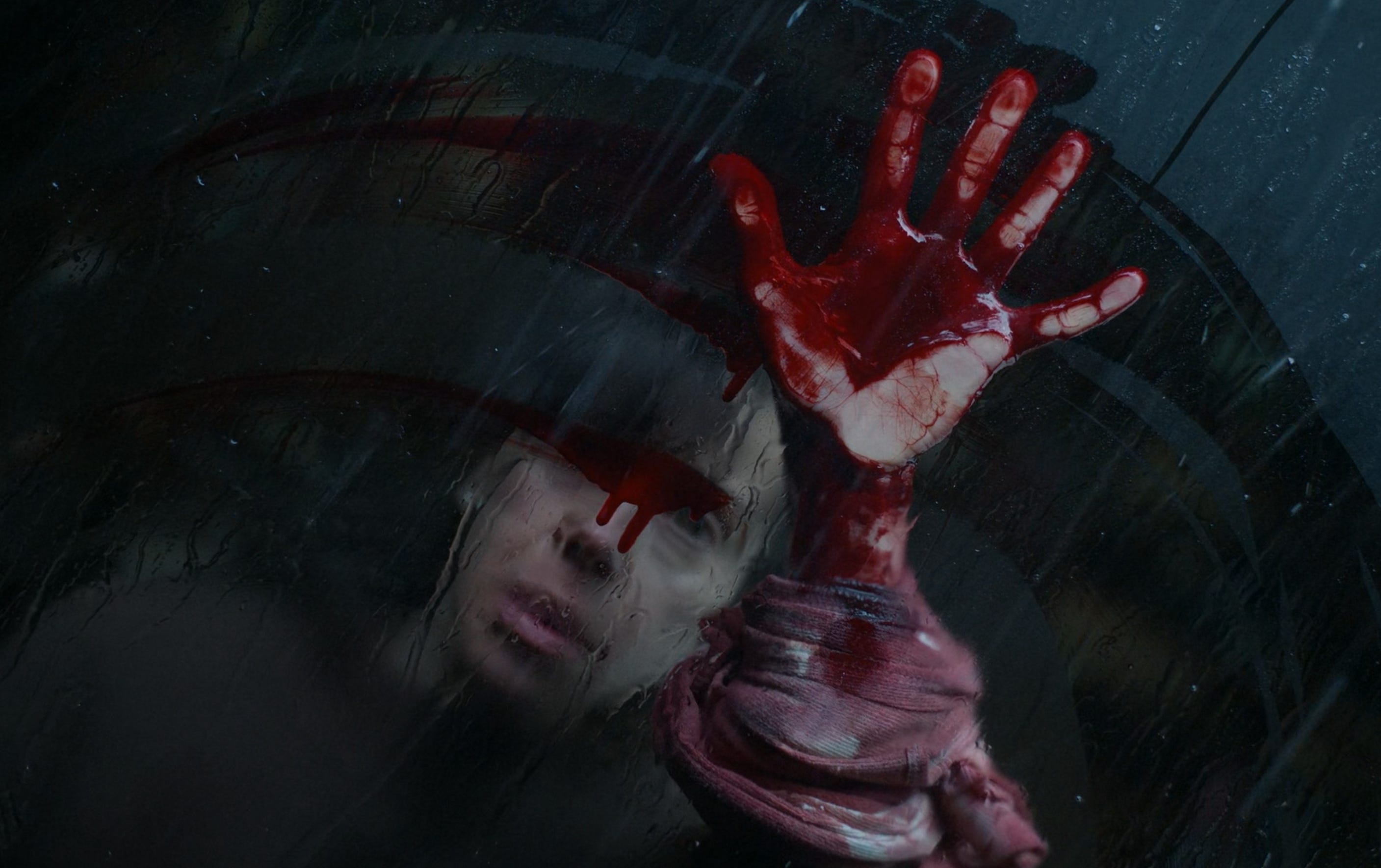
What do I mean? Well, look closely. Watch carefully. Observe her obsessive gesturing; her performative vulnerability; her accusatory finger paintings; her circling of the narrative. What is she doing here? She’s wasting time. Why? Tenure is at stake – the prerequisite and point of pursuing immortality. Which way does Laura signal? Left or Right? Up or down? Clockwise or counter? As technique or ritual? Bah, more time spent needlessly. It would depend on which inner circle she’s currently angling for anyhow. She just needs you to know she’s suffering. She’s indifferent to others to remain as she is — insecure. Victim, not criminal. Again, Laura knows what boundaries are. She’s in control of her possessions.
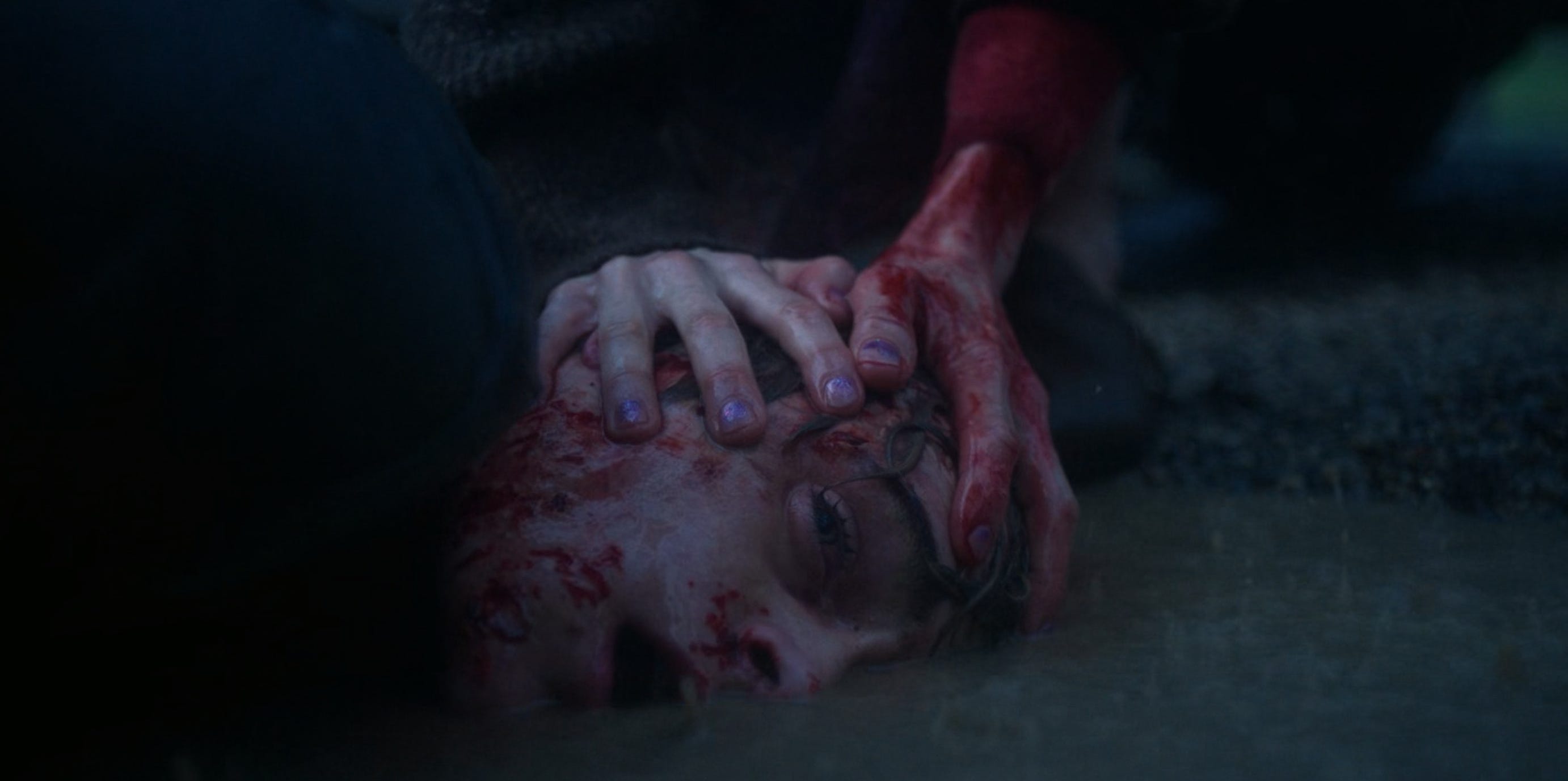
She sacrificed Andy in service to The Ox, what she couldn’t do of Piper for womanhood. Her inability to handle or integrate her masculine shadow has traumatized her charges into dependency; she’s just as much a prisoner as Ollie. As above, so below is Jung’s most fundamental dialectic. However, to be free isn’t a balancing act, it’s to realize that when this tightrope somnambulism is directed, one winds oneself up to a stake to be burned for the witchcraft it is.
Who has not for the sake of his reputation – sacrificed himself? –
To be free is to abandon the dialectic in pursuit of the free spirit, a releasing of birds. One could learn the language of Jung and his antipodes, like anima/animus, but one would be better off not projecting such poles and stakes. Jung was to Nietzsche what Paul was to Jesus. What Jung did with personality and archetypes is what Descartes did with his first principle and coordinates. Both built systems to map what’s not apparent as offerings to what they considered intuition. Both believed in another world; a world at odds with this one, a world rendering ours its shadow. Both lost their points squaring circles.
Madness is something rare in individuals – but in groups, parties, peoples, ages it is the rule.
Empathy is an inherent lie – story-telling, myth-making, make-believe. More accurately, it’s a word, whatever one wants it to be. The collective unconscious is a euphemism for propaganda, in Ellul’s conception of the term. Dialectics digested as the fruit of opposites over opposing forces is frustratingly misleading; as if designed to front dialogue, prematurely circumscribing conversation with predestined prejudice. Integration is impossible as long as one moves along mutual exclusivity. Such dialectic is the spinning in place of one’s wheels preventing meaningful revolution; sputtering burnout and dampening spirits. The ideal doesn’t have to be out of reach if it’s within what’s apparent. Ellul didn’t consider images dialectical – images are juxtaposed, words are met.
The charm of knowledge would be small if so much shame did not have to be overcome on the road to it.
The image suffocates. Drowns. More so the more entrenched its lack of depth. What context makes for such vulnerable living conditions? Is hate not something that can be cured through education, positivity, therapy or meds? Can it not be talked out? Rebuked? Why would anyone who makes a living preaching empathy not want to pervert its practice? Stop its fruition and make it helpless? Dependent? In the mouths of the shameless, empathy is – unsympathetic. Why, for instance, should those who stymie and disintegrate future generations for immediate pleasure be engaged without contempt? Or at all? What would lead me to say such things?
Few are made for independence – it is a privilege of the strong. And he who attempts it, having the completest right to it but without being compelled to, thereby proves that he is probably not only strong but also daring to the point of recklessness. He ventures into a labyrinth, he multiplies by a thousand the dangers which life as such already brings with it, not the smallest of which is that no one can behold how and where he goes astray, is cut off from others, and is torn to pieces limb from limb by some cave-minotaur of conscience. If such a one is destroyed, it takes place so far from the understanding of men that they neither feel it nor sympathize – and he can no longer go back! He can no longer go back even to the pity of men! –
Honesty and its reaction is the distance that allows space to breathe, echoes to clear and meaning to become in-sync with reflection. Thought needs time to incubate into conceptions. Assuming positive intent, Ollie’s possession is how a man might imagine women feel about rape and ownership. That is, through a woman’s perspective, not how a man might feel toward another man. This is a man’s best attempt to understand it.
One seeks a midwife for his thoughts, another someone to whom he can be a midwife: thus originates a good conversation.
Words are not violence. Words stripped of meaning, spurned senselessly and reduced to a humiliating scarlet letter is excommunication of the most virulent variety. Laura’s “O” represents omission — of breath; of speech; of sex; of love; of purpose; of reason; of justification; of character; of individuality. A label not confined to small town finery but a global battlefield’s permanent record. Weaponizing and hiding behind identity, she deconstructs and isolates individuals to more easily punish them collectively. Not for any deed, just for being who they are. Flogging even — perhaps, especially — children for the sins of their fathers, presumably for past injustices she wasn’t involved in either. Laura is no Hester Prynne. The puritans of Hawthorne’s novel appear merciful in comparison.
Behind all their personal vanity women themselves always have their impersonal contempt — for ‘woman’. —
Mass/Social Media has enabled deliberate miscarriages of understanding not just possible, but easier than ever. The norm, even. I shouldn’t have to ask this, but why can’t men be interested in women precisely because they aren’t men? Can biological differences not be a primary source of attraction? Can a man not appreciate that women remain a mystery to him? Would it be wrong if that man hoped women feel the same about him, at least? Why punish curiosity and connection so wantonly if not just trying to win some virtual debate? That is, a furiously masturbatory self-hating genital measuring pageant?
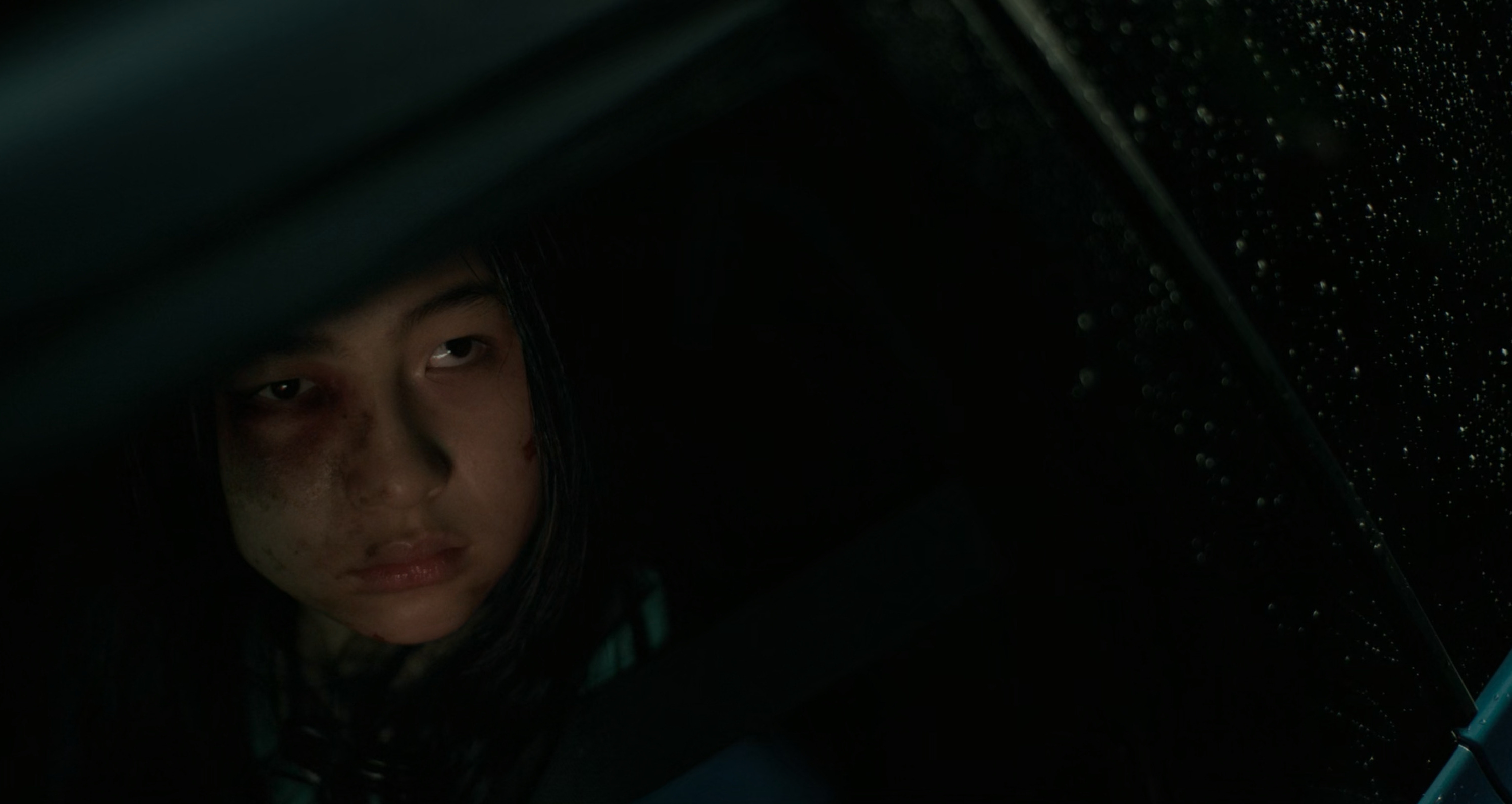
Piper has a choice. She could choose to see Laura as possessed by grief instead of as a witch, sadist, fanatical toady, status-humping power-sucking occultist or worse, a feminist. It wouldn’t excuse what she did, merely render her understandable. Bad faith makes the imagination that fuels empathy boundless. For Ellul and other playful thinkers, faith wasn’t passive spectacle, but active, engaging speculation. Trauma lies under the surface; multifaceted and self-critical. She can choose to do what her juvenile adoptive mother couldn’t – let go. Embrace the empathy that comes with a tragic world-view instead of equating dramas, and let sympathy buoy her to new heights. After a gracious grieving period, of course.
That which is done out of love always takes place beyond good and evil.
Piper listens. Perhaps necessarily, perhaps that’s a distinction without a difference. She has spunk, a sense of humor, personality. Qualities not many people seem to possess nowadays. Throwing her brother under the school bus not to fit in, but to bust balls. Like someone with a connection would. It’s normal for an adolescent to chafe under pressure of those watching out for her. Maturity isn’t the sloughing off of this yolk or enraged overthrowing of responsibility, but accepting those who mean what they say. Andy wasn’t possessive of anything but his own character. He treated others, at least his sister, as he wanted to be treated — with care. Andy was the nag. The seer. The protector. The parent. He had to be. His guardians were less mature than him. Laura could have learned from Andy.
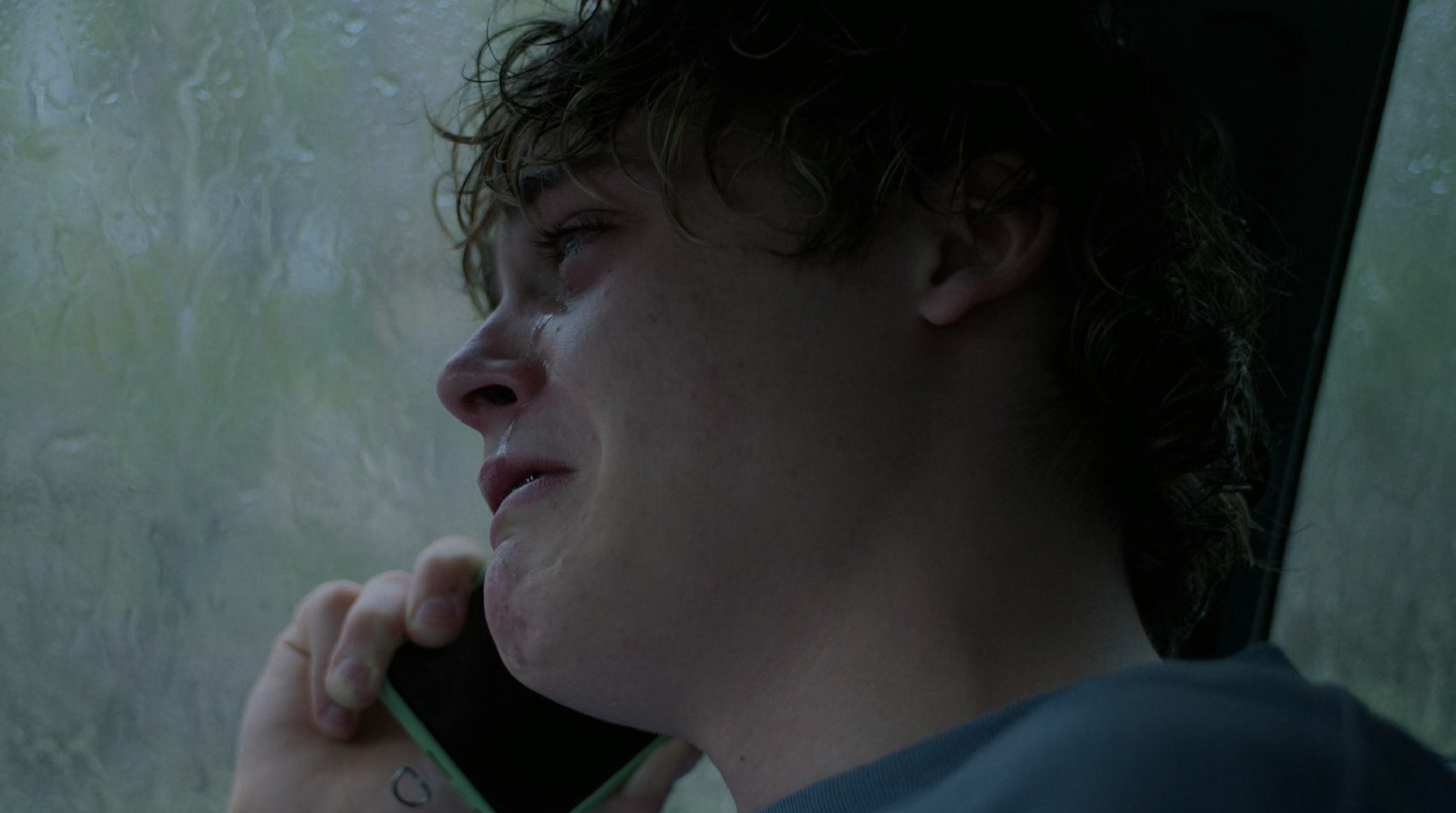
Andy’s confession to Piper was honest. Untimely, but he owned up to it. He let her know why he protected her innocence as he did. Andy will live on as her positive example of what it is to be human, all too human. She knows what love is because she was loved. This is empathy. Upon hearing his truth (exactly what she needed to hear) Piper could love him, too. Not his mask, his shadow, his echo, but his becoming free. Who he presented to her. This is sympathy – what empathy develops into when allowed to grow unmolested.
Posthumous men – like me, for instance – are not so well understood as timely men, but they are listened to better. More precisely: we are never understood – and hence our authority…
If Piper can realize this, why couldn’t professionals, professors, preachers and priests? It’s not too late to bring women like Piper back from the brink of the all-devouring Lauras of the world. Piper can turn away, silence the hateful influences around her, be an example instead of a victim. She could choose to use her suffering to create, instead of consuming.
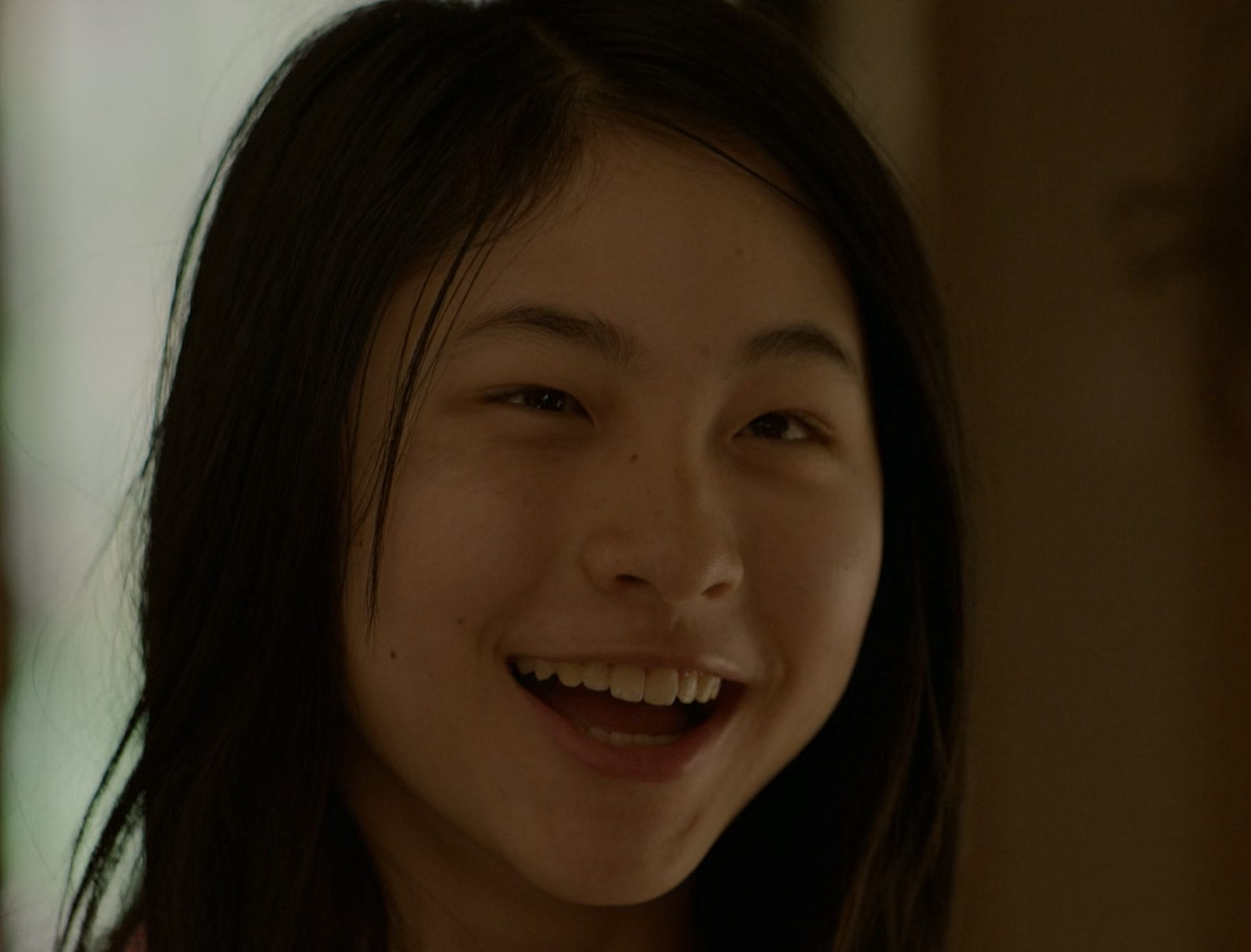
Piper’s smile was worth the trouble of the film. Redeeming. I haven’t seen a smile so beautiful in quite some time. Perhaps not knowing what it looks like, not having had posed and practiced in mere surface reflections, lends to its genuineness and possible recovery.
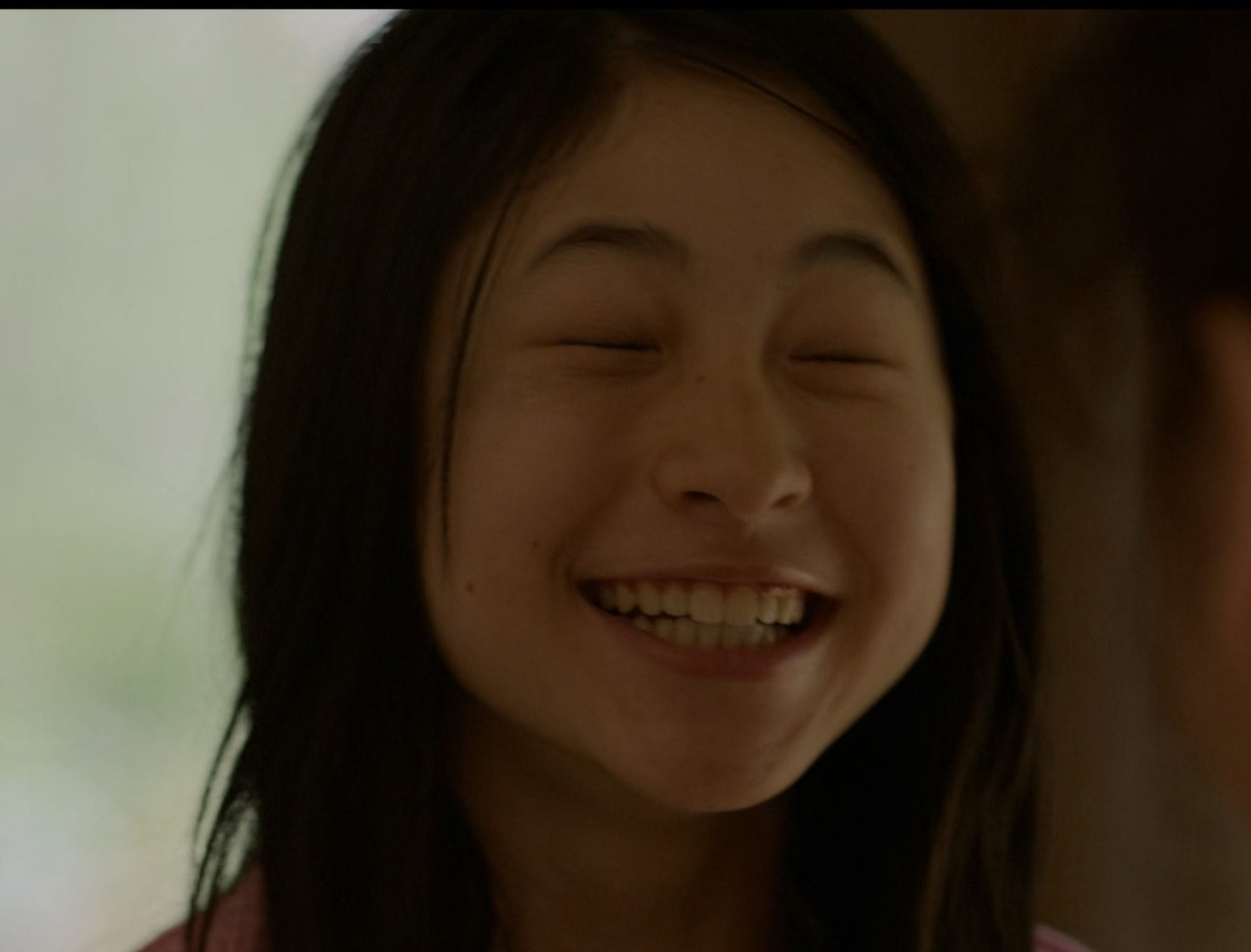
A smile not just beautiful, transcendent; spontaneous warmth delivered from a chilling environment – even when she’s not “photogenic”, whatever that means. Personally, I couldn’t imagine a greater deprivation than not being able to read faces… then again, I can’t square this without proper framing. That is, becoming heard.
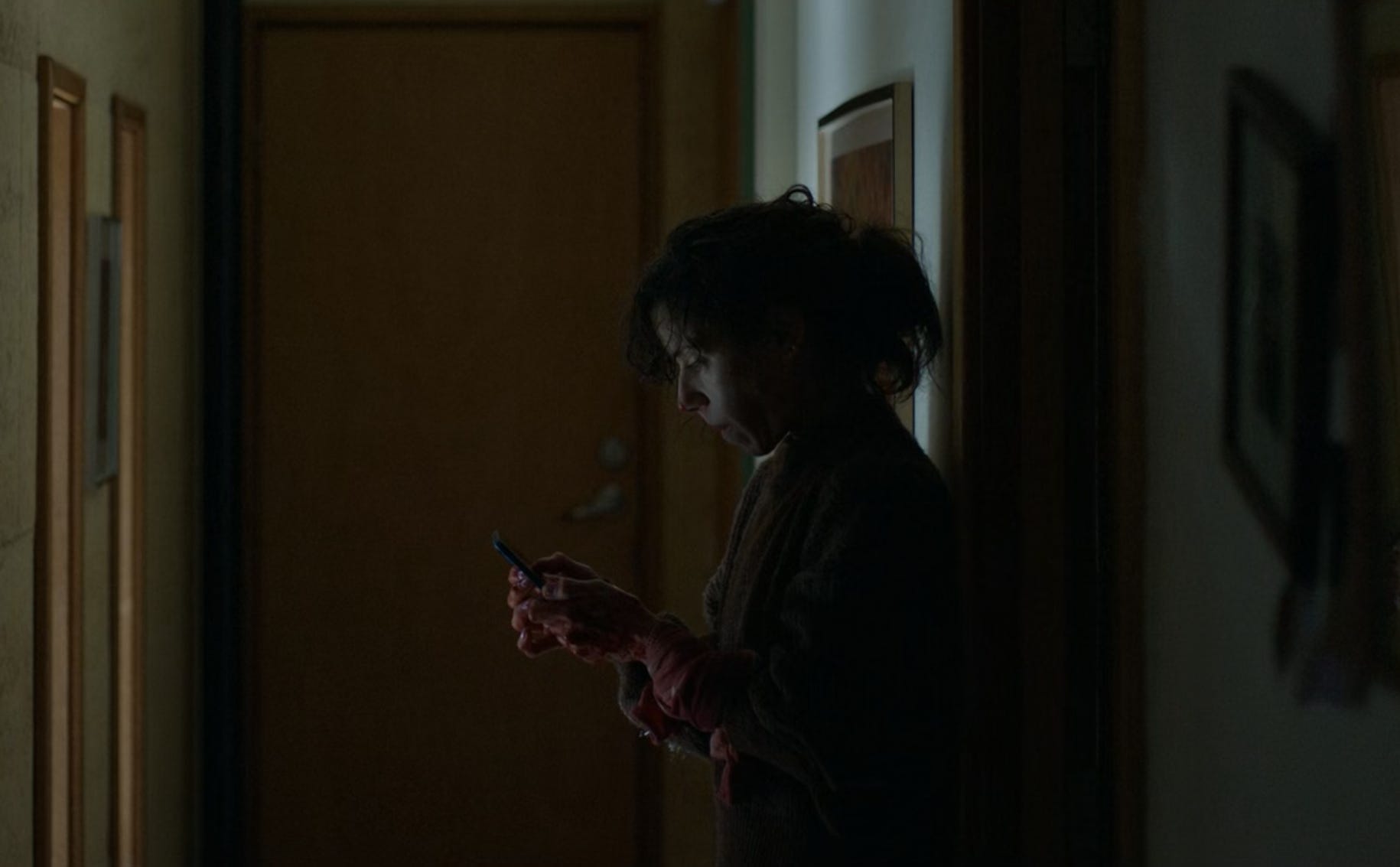
Identity politics is the trauma drama that won’t go easily. It will likely worsen as we become more indistinguishable from slop. It’s not too late to change. Why let it split connection any further? Why not abandon and forget the propaganda enabling this behavior? Why not avoid those who endlessly refute sliver linings? Why not remember the possessed for who they were and could otherwise become? So we can make sense of and resonate with the other again; appreciate each other with responsible sensitivity and sound judgment again.
He who is a teacher from the very heart takes all things seriously only with reference to his students — even himself.